




Amanda’s Apartment Garden

“I think it’s definitely worth it… it just makes it so much more of a usable space. And just having the plants around you, everyone who comes is really… so happy to see all the green additions to it… It’s a huge improvement. And for me, I like gardening and… it’s something that brings pleasure and enjoyment.”
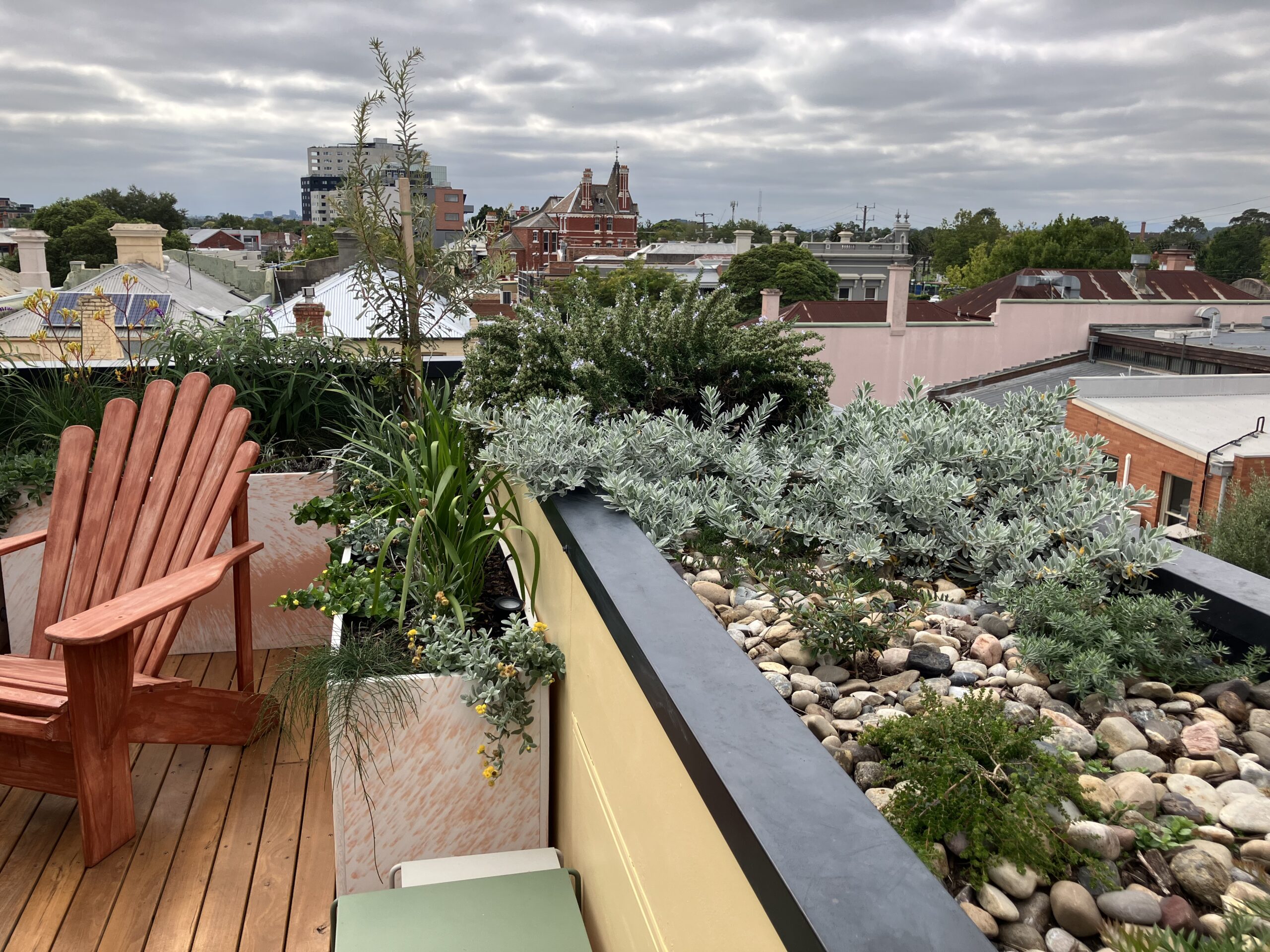
When we moved here, we were downsizing from a five-bedroom family home, so this rooftop space felt really significant. It is a huge amount of space in terms of the percentage of the house, and we did not want it to be somewhere we only hung washing. We wanted it to become a real living space — somewhere we could sit, entertain and spend time outside.
The garden has been a gradual transformation. The two end planter boxes were part of the original build, but the planting there was very basic and had not really survived while the house was tenanted. We replanted those areas with natives and, on the hottest side, succulents. For the rest of the rooftop, we worked with Takaynar to develop a plan that included the planter boxes and the decking. Before that it was all tiled, and the tiles became grubby and hot. The decking has made the space much nicer, softer underfoot and more natural.
Because this is a rooftop garden, everything has taken a bit of planning. The planter boxes are recycled plastic, and getting all the materials up here was a major exercise. The scissor lift had to come twice: first for the wood and decking, and later for the plants, soil, planter boxes and everything else. Even now, if I want to repot something or change a planting, I have to think about tarpaulins, containers, mess and carrying things back downstairs. It is different from gardening at ground level, where you can spread out more easily.
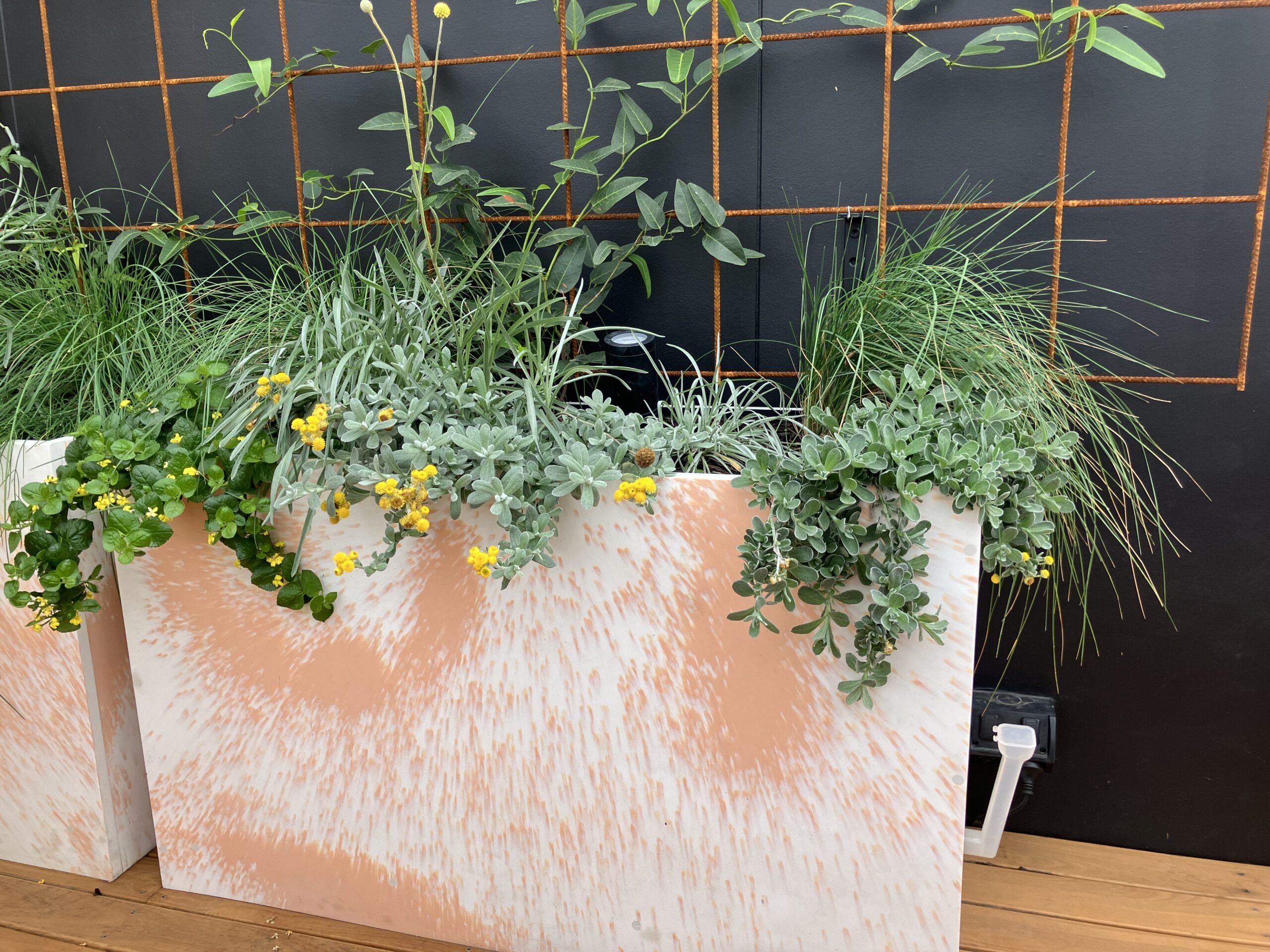
The planting is mostly Australian native, with some other plants included where they make sense. I put together a mood board with Australian plants and yellow as a primary colour, and Alex from Takaynar suggested salvias because they are easy to grow and attract insects. That fitted with something I had heard through My Smart Garden, in a workshop with Jacqueline about attracting bees. She said she would never have a garden without salvias, so when Alex suggested them too, it felt like the right choice.
We do see a lot of bees up here. Birds are less common on the rooftop itself, although we can hear and see them around the neighbourhood, but the insects have definitely found the garden. That has been one of the lovely surprises: even several storeys up, the right plants can still create habitat and make the space feel alive.
Watering is another part of learning how this garden works. The planters are wicking planters, although I have still been watering from the top while the plants establish. There is a tap built into the rooftop, which makes a big difference, and I use a hose to water. Even so, rain is different. You can water with a hose all you like, but you cannot beat rain — it makes such a difference to the vitality of the plants.
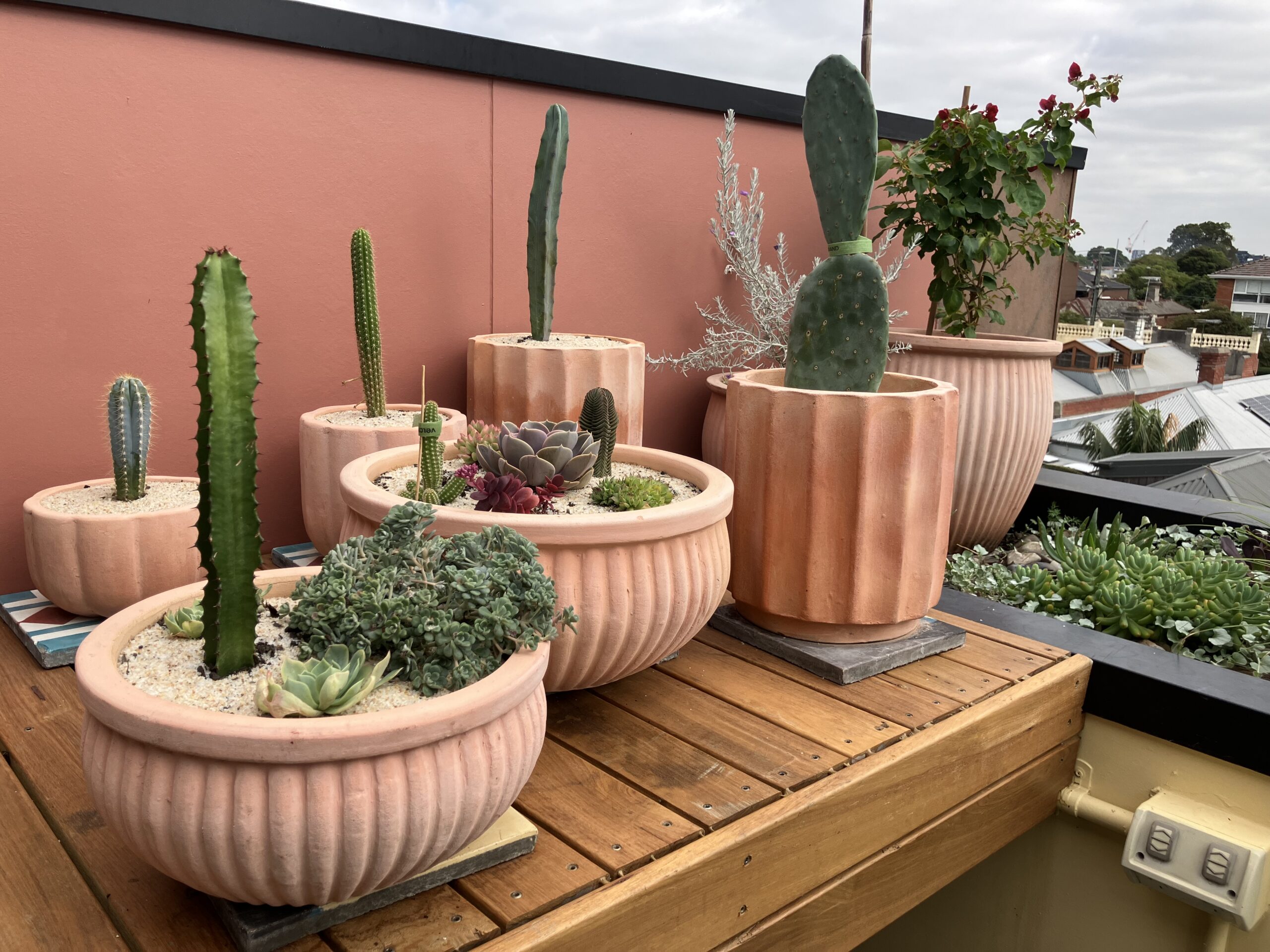
Over time, I have realised that the garden is really a collection of micro spaces. One area is mainly succulents because it is so hot and exposed; another is more Australian native; another works as a kitchen garden, with herbs like mint, parsley and oregano close to the kitchen. There are shadier areas too, where different plants can cope better. It has been fun creating different zones rather than trying to make the whole space do the same thing.
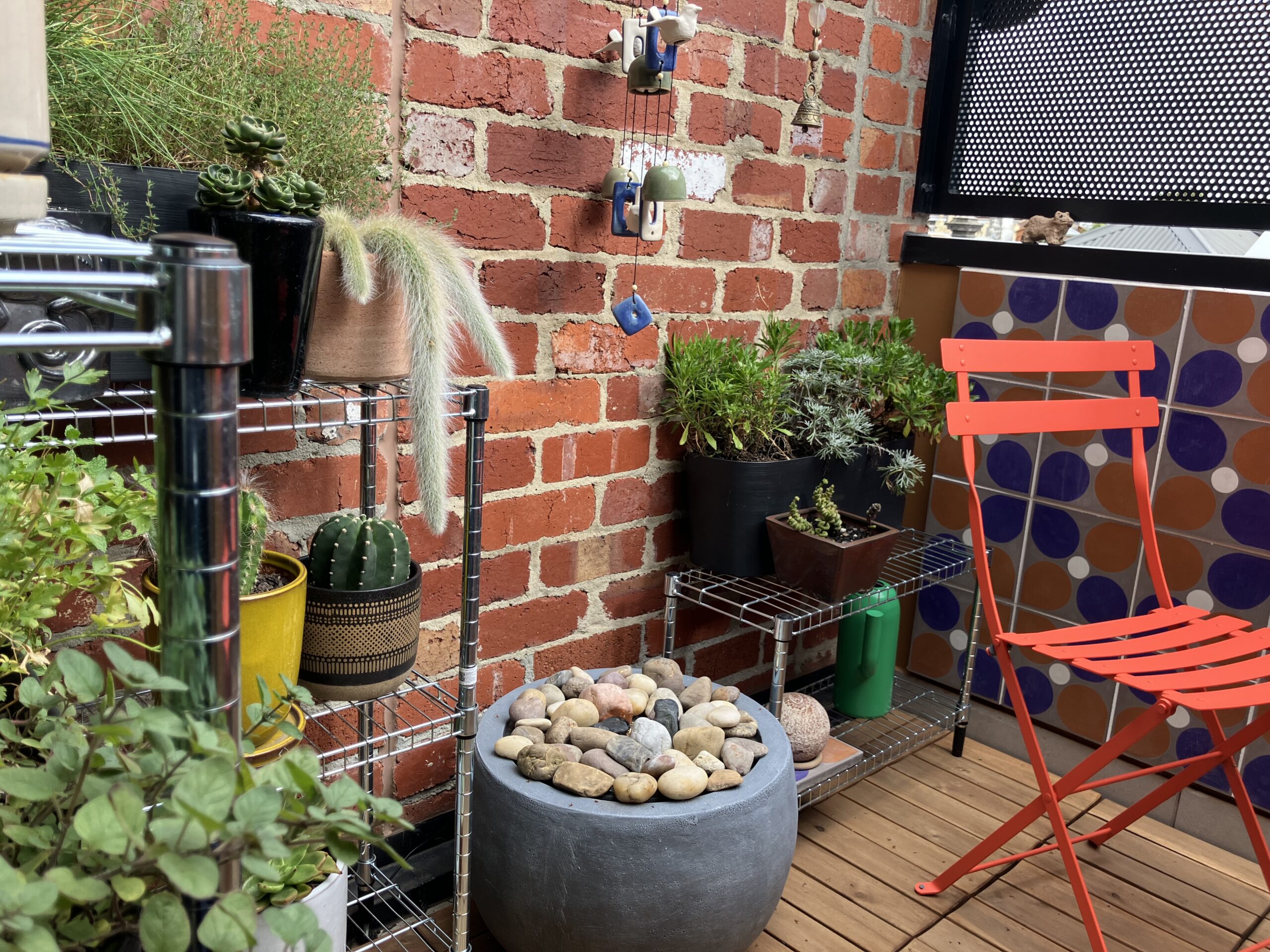
I have also grown food here in small ways. Over summer I grew tomatoes in wicking pots, and they did pretty well. The herb terrace is useful because it is right near the kitchen, and it means there are things to bring inside from the garden. When plants finish, I use the green waste bin for things like tomato plants and garden cuttings.
Composting in an apartment or townhouse setting can be tricky, so for us the green bin is the most practical solution.
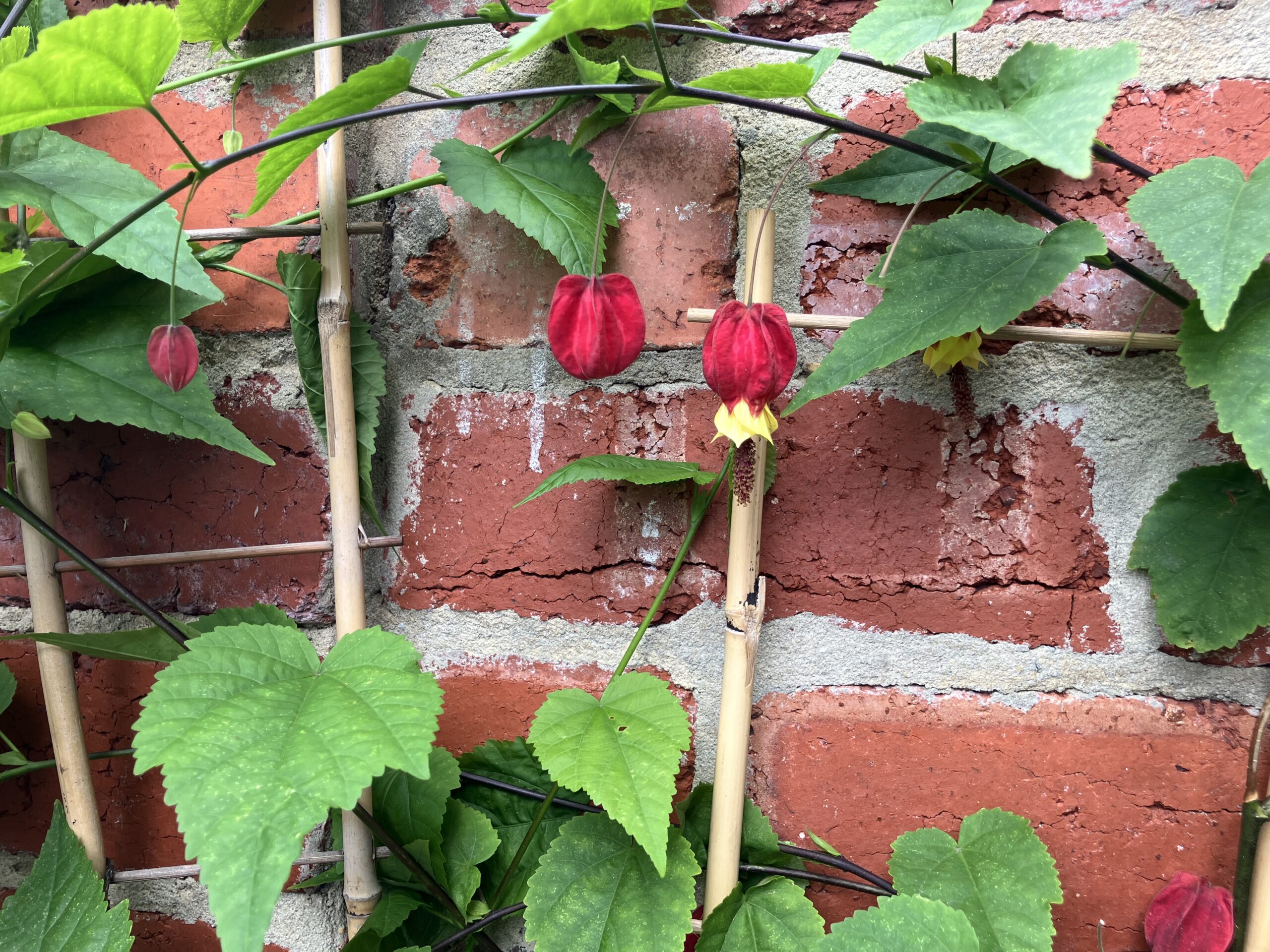
There is a very personal side to the planting as well. I have lived overseas a lot, and being away made me appreciate Australian flora and fauna and how distinctive it is. I like that this has become a semi-Australian garden. Some plants also remind me of other places I have lived, like Canberra, and there are design influences from the Philippines too. The garden is not just about what will survive here; it is also about memory, colour, scent and the feeling of home.
“Having seating out here, I thought was important… just knowing that it’s a usable space in that sense is important to me… I like having the ability to sit outside… It’s a mixture of garden and living space as well.”
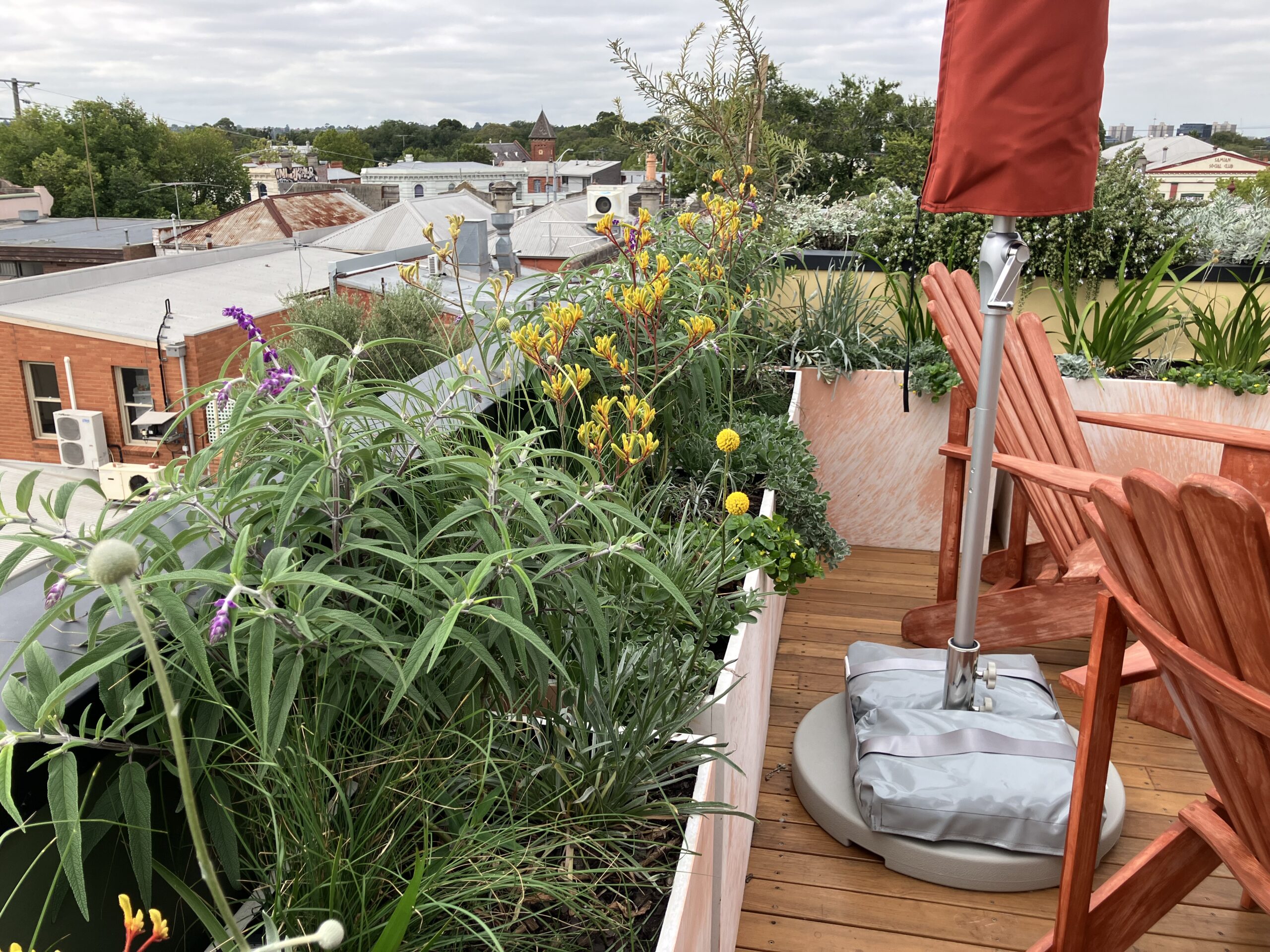
Making the space usable has always been just as important as the planting. We added seating, shade, lighting and storage so the rooftop could work as an outdoor room. The umbrella helps because it gets exposed and sunny, and the lighting means we can use the space in the evening. In the warmer months I do yoga out here in the mornings, and it is beautiful at sunrise. Sometimes you see the hot air balloons coming over, which is amazing.
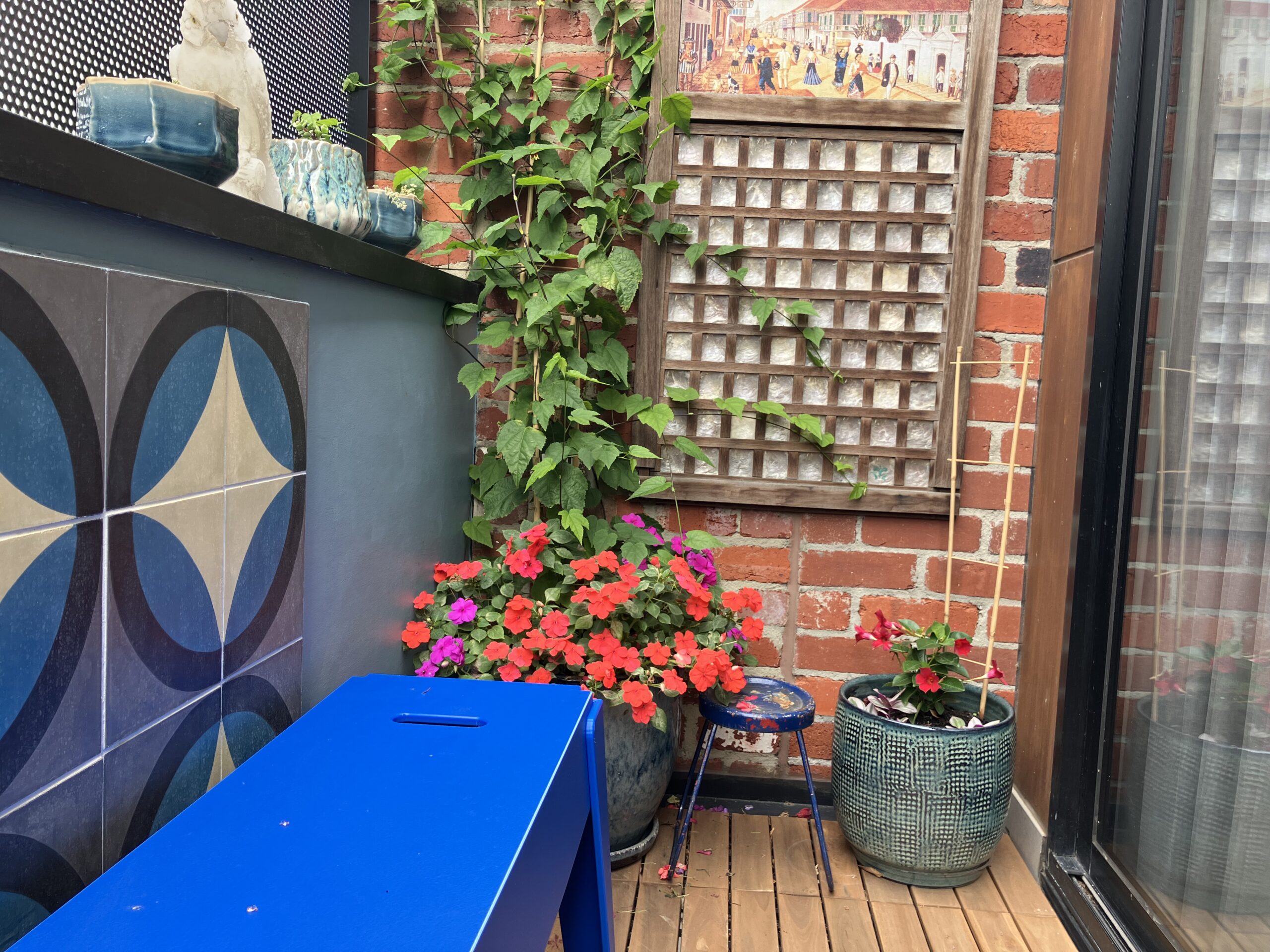
For me, having seating matters even if we do not sit in every spot all the time. Just knowing that each outdoor area is usable is important. On a hot day, one of the more sheltered spaces can be the coolest place to sit. I think living in the tropics in the Philippines, where a lot of life happens outdoors, influenced that. I wanted this to be a mixture of garden and living space.
It has definitely been worth it. We are really only at the start of enjoying the garden in this form, because the full rooftop has only been finished for a short time, but it has already made the space so much more usable. Friends who saw it before are really happy to see all the green additions, and for me, gardening brings pleasure and enjoyment. It is a huge improvement.
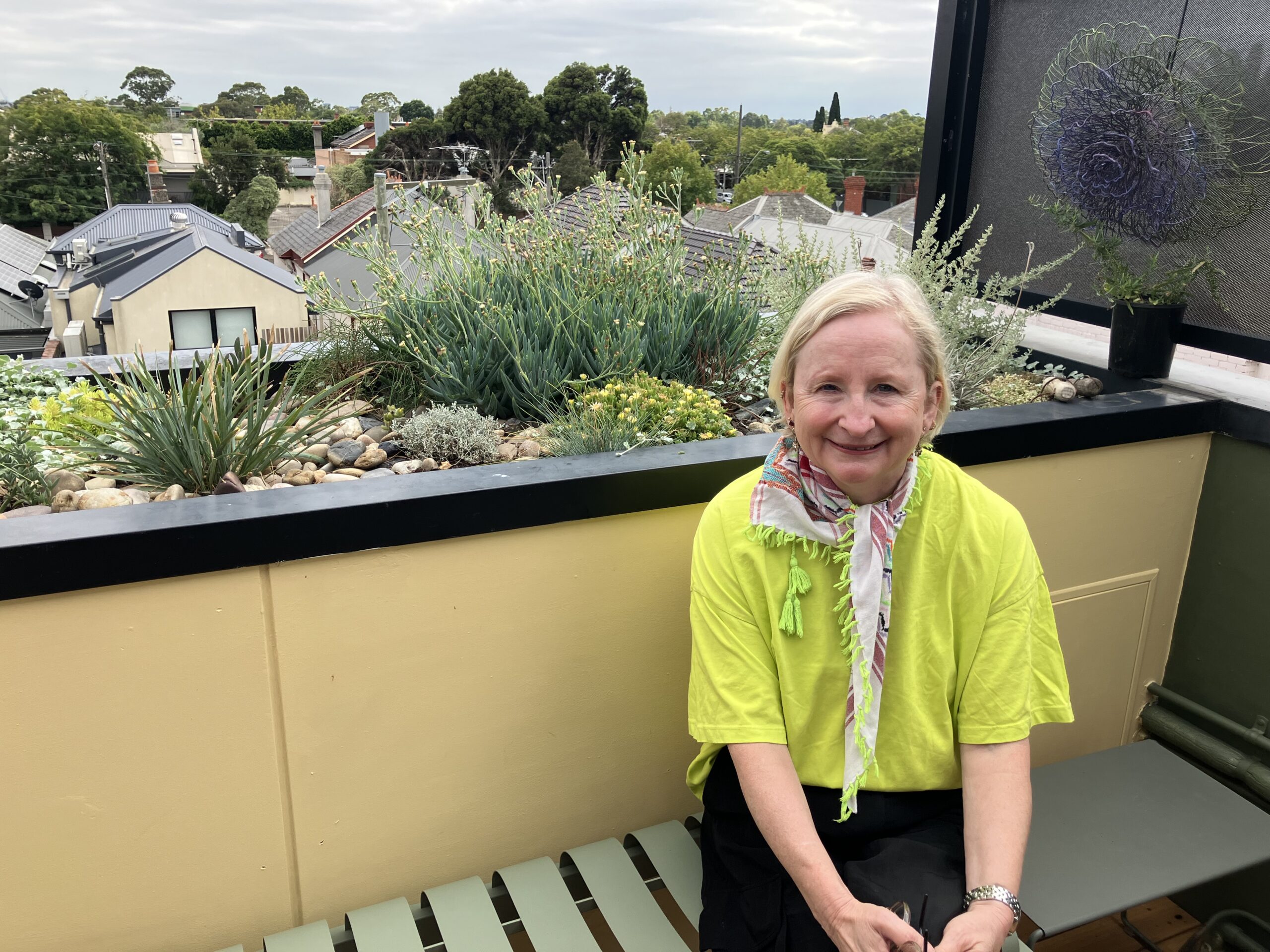
My advice to anyone starting a small balcony or rooftop garden would be to do some research, notice the different conditions in your space, and build it bit by bit. You cannot do everything all at once; it is too much. It is more manageable to create one zone at a time, learn what works, and let the garden evolve slowly.
“Just do it bit by bit. You can’t possibly do everything all at once because it’s just, it’s too much and you need to do it over a slower period, I think.”