


The Joy of Gardening with Grandchildren
Notes prepared by Carolyn Luder, Little Sprouts Program, 2026
Gardening with young children fosters a love of plants, growing and lifelong learning. It is a gift that keeps giving as children grow and become adults with their own gardens. Thanks to my nanna Joy, and the time she gifted me together in the garden as a child, I have a strong love, curiosity and appreciation for plants. Victorian Seniors Festival (from the 1 to 31 October every year) is a great opportunity to celebrate and explore opportunities for children and grandparents to learn and grow together in the garden.
Some would say that having a ‘green thumb’ means you have a natural talent or skill for growing and caring for plants. Intergenerational gardening plays an important role in children learning this skill, as they pay close attention to their elders’ garden stories, trials and errors, and how they care for and interact with plants.
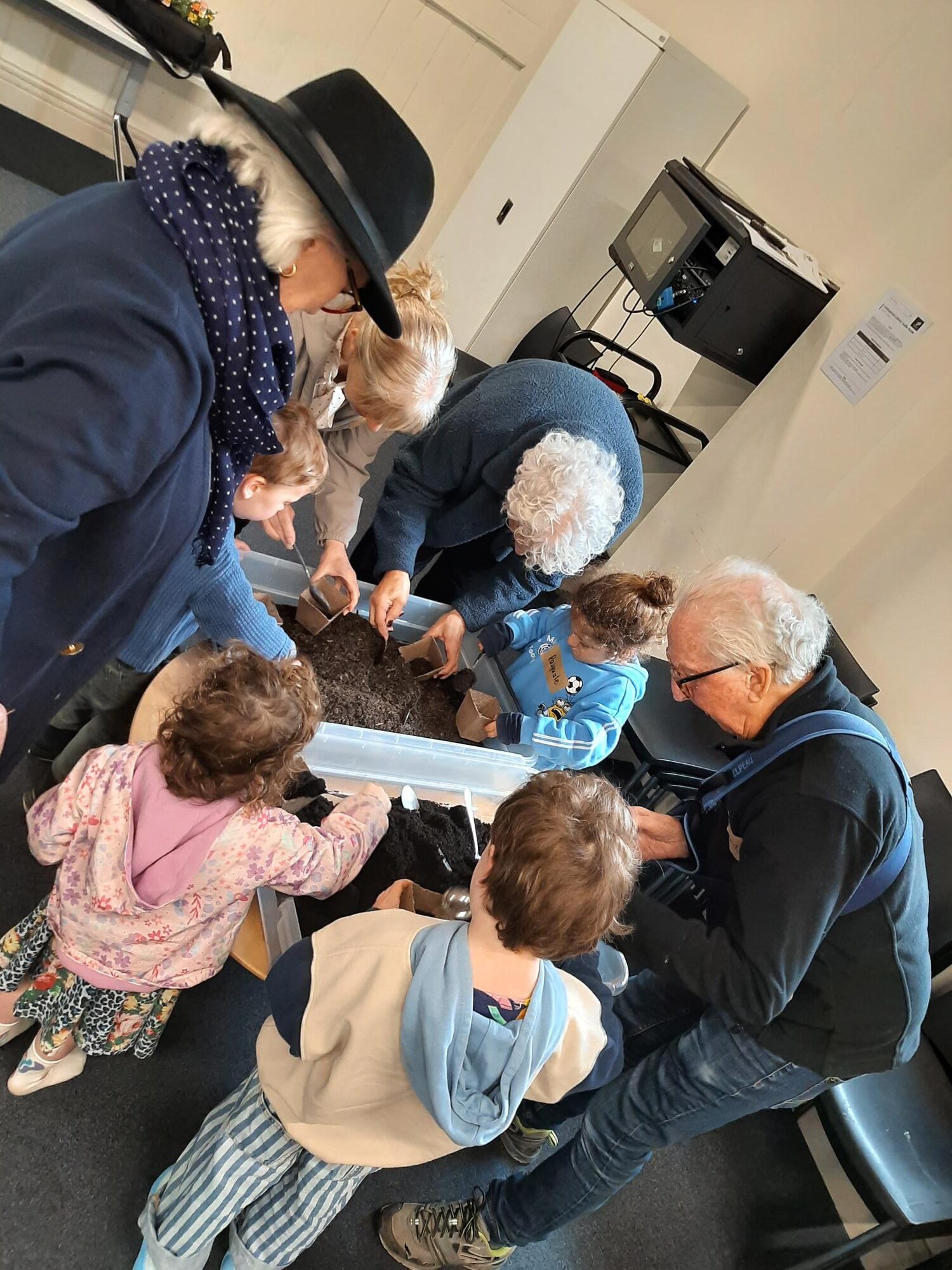
Nothing beats gardening together outside! Time outside in the garden with grandparents not only helps children learn the language of plants, but also supports their physical, mental and emotional growth. There are lots of fun garden activities for grandparents to share with young children including:
- Choosing and planting sensory plants together to enjoy in play activities (sensory playdough, water play, art activities) and cooking
- Planning, planting and eating food plants across different seasons
- Showing children how to plant in different ways for example, how to put an established plant in the ground, plant in pots, or plant seeds, cuttings or seedlings
- Sharing your gardening stories and creating life-long memories together
- Collecting and sorting seeds for the next planting season
- Growing a native garden to show children how easy it is to grow and maintain plants that are suitable to the environment and climate
- Building a bird bath and bee watering station and topping this up with water in summer to help our precious pollinators
- Getting children involved in composting to teach them how food scraps can contribute to improved soil health
- Creating a weather station to monitor the changes in weather and how this impacts on the plants and animals in the garden. This leads to asking and exploring questions together like: Has it rained lately? If it rains, do we need to water the plants?
- Practicing weeding together – pulling out weeds is an essential part of gardening
- Showing children how to water a plant close to the soil so the roots can absorb the water easily.
If it’s a rainy day or too hot to go outside, here are some other suggested activities grandparents can share with children to pass on a love of growing plants.
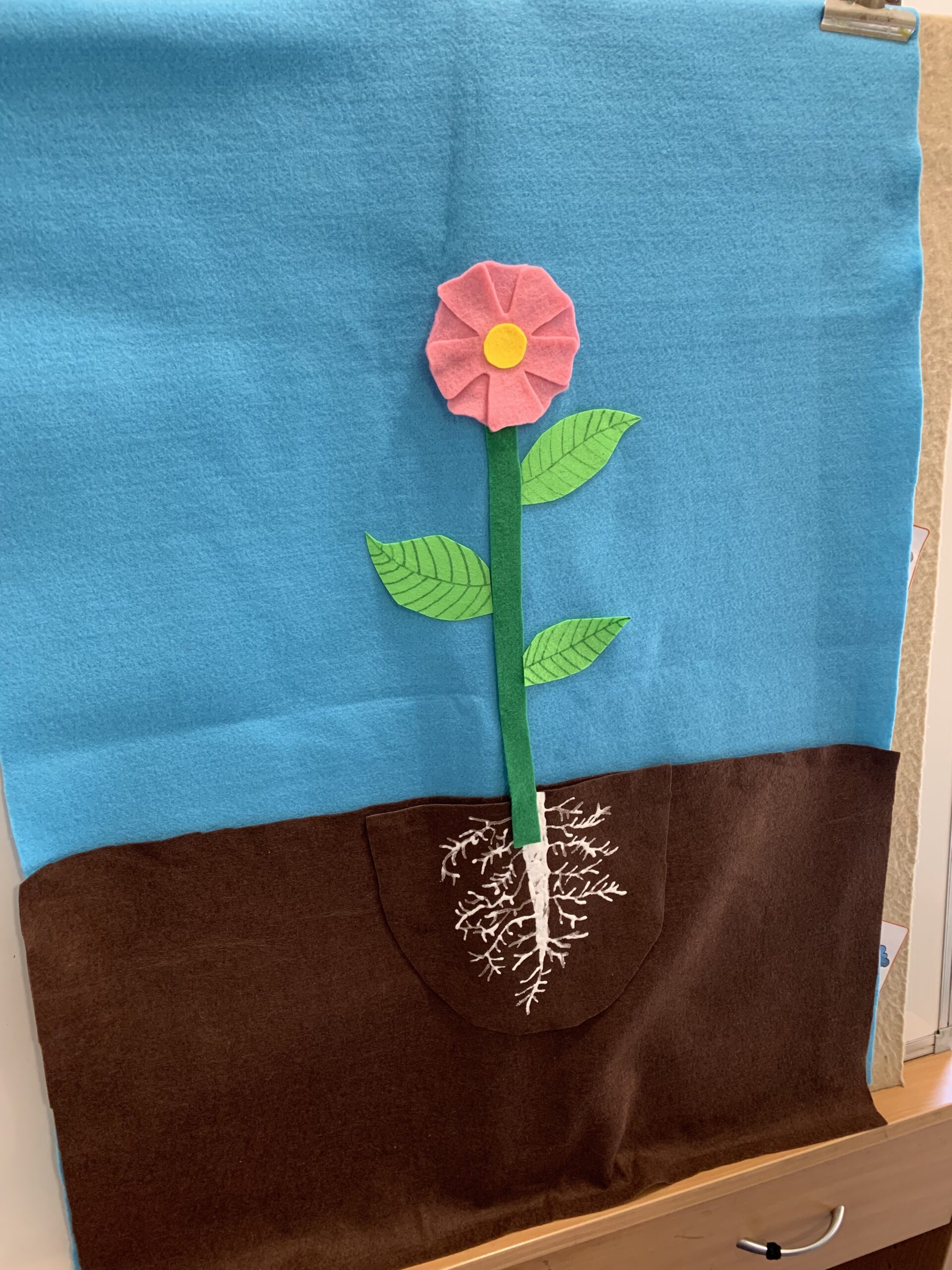
Explore the different parts of a plant
Just like our nose helps us to smell and breathe, plants have different parts that help them to grow. Using an example plant or pictures from books or the internet, explore the different parts of a plant together: roots, stem and branches, leaves, fruits and flowers. Exploring the role different parts of the plant play is important for children to understand how to look after plants and how all parts work together to help keep the whole plant healthy. Drawing the different parts of a plant is a great way for children to learn and memorize concepts.
Roots help plants to stay safe in the ground (and not fall over!). The roots absorb water and minerals from the soil.
The stem pushes up the leaves and flowers so they can get closer to the sun and have air. The stem moves water and minerals from the roots up to the leaves. In large woody trees, the stem is called the trunk and it might have branches too. Some plants like succulents store a lot of water in their stems to survive dry weather. One activity idea is to cut off a succulent stem to look inside (and see the water) and plant this cutting to grow a new plant.
Did you know that leaves can use sunlight to make food for the plant? Photosynthesis is a big concept to introduce to young children, so break it down into small questions to explore together like: Where do plants get their food from? I wonder how leaves help us to breathe? This is also a great time to explore shade and the benefits of shade in the garden like lower air and soil temperatures, helping roots and soil to keep moisture, reducing sunburn and heat stress on plants, and also keeping us cooler in hot weather.
Do plants make flowers for us to pick? Should we pick all the flowers off plants? Plants make beautiful flowers to attract pollinators like birds, bees, butterflies and bats. Pollinators help move pollen from one flower to another and this helps make seeds. These seeds can turn into new plants that make fruits, vegetables or nuts. Did you know we wouldn’t have apples, strawberries or tomatoes without pollinators?
Although fruits are delicious, plants don’t make them for us to eat. Fruits help to protect the seeds and spread the seeds so new plants can grow. Cut open some fruits together to explore the seeds. Keep the seeds to grow again.
What plants need to be healthy
What do plants need to be healthy? Do plants need sleep like we do? No. But they do need some of the same things we need to be healthy and happy like light, air, energy and nutrients (food), and a safe and supportive environment to grow in (enough space, suitable temperatures). Unlike us, plants can’t move if they are unhappy in their environment. So before we plant a plant, we need to understand what it likes and doesn’t like. For example, does it like lots of sunlight? Does it like a lot or a little bit of water? Does it like growing in hot or cool temperatures? Does the plant grow in soil, sand, water, on rocks or in air? Thinking about the similarities and differences between us and plants can help children understand that just like us, plants are different, special and have likes and dislikes.
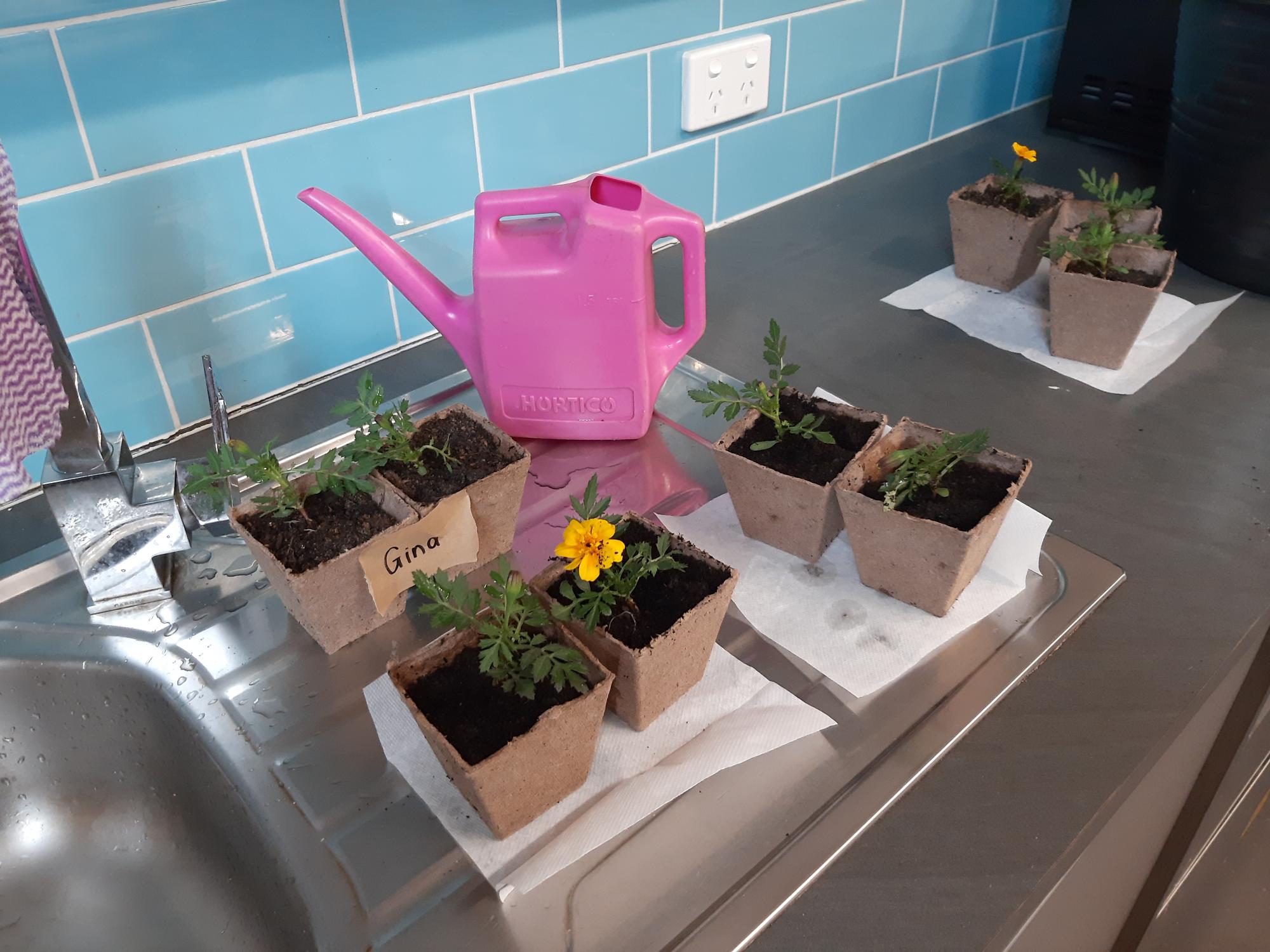
Are all plants the same?
Do plants have a name like us? Whenever I ask this question with young children, the majority say “no!” Plants have names just like we do. Learning the names of different plants and the key features of plants, can help children identify them in their local environment, and build a relationship and caretaker routine with plants.
Collect a few flowers and leaves from the garden and explore some questions together. What is the name of the plant? What is the colour of the flower? Does it have a smell? What does the leaf feel like? Is it a big leaf or a little leaf? Do the leaves have a smell?
For example lavender is known for its purple colour. The leaves and flowers have a smell which some people find relaxing. Bees are often seen on lavender plants. The flowers are rich in nectar providing yummy food for the bees.
Exploring different plants through sensory play or using them in artwork is a fantastic way for children to make sense of the world around them. You could also go on a scavenger hunt! For example, have a picture of a lavender plant or cutting from the plant. Show this to children and encourage them to find this plant in the garden. Or have children match the seeds to the correct plant (marigolds are great for this activity).
Explore plants through different learning activities
Learning in different ways through reading, listening to music, dancing, or watching programs about plants, helps to make learning fun and memorable, and supports children to process and retain information.
Sir David Attenborough has presented some fantastic series on the lives of plants (Kingdom of Plants and The Green Planet). There are also lots of kid-friendly shows to watch together with a cuppa (like Gardening Australia Junior) and movies (The Lorax).
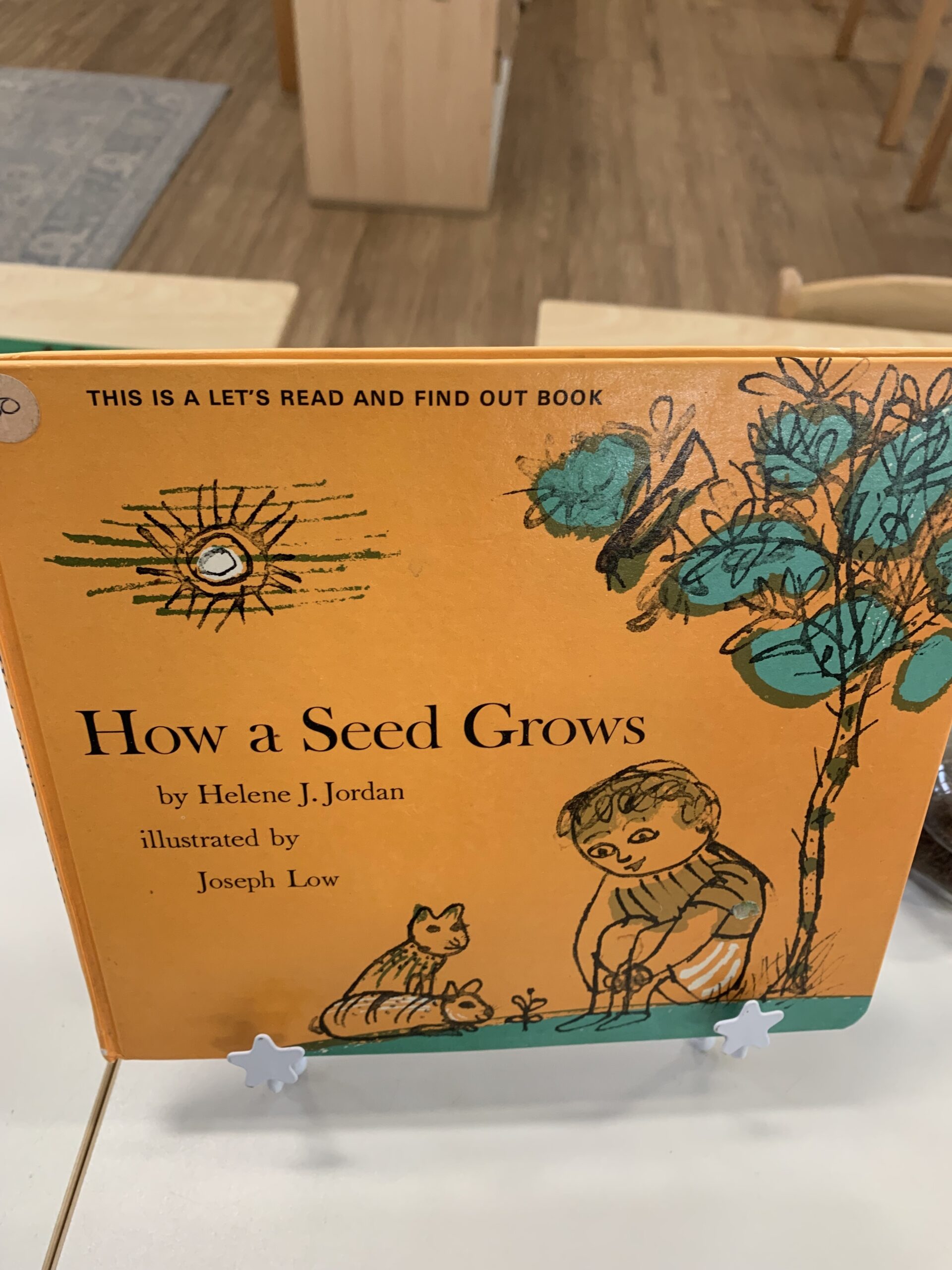
Reading books on plants with young children like ‘How a Seed Grows’ (by Helene J. Jordan) not only supports children’s literacy and language development, but also helps them build connections with plants. Singing songs together about plants (like The Farmer Plants the Seeds) or practicing rhymes (for example Five Little Flowers) is also a fun way to explore the world of plants together.