


Growing Great Tomatoes
Presented by Karen Sutherland
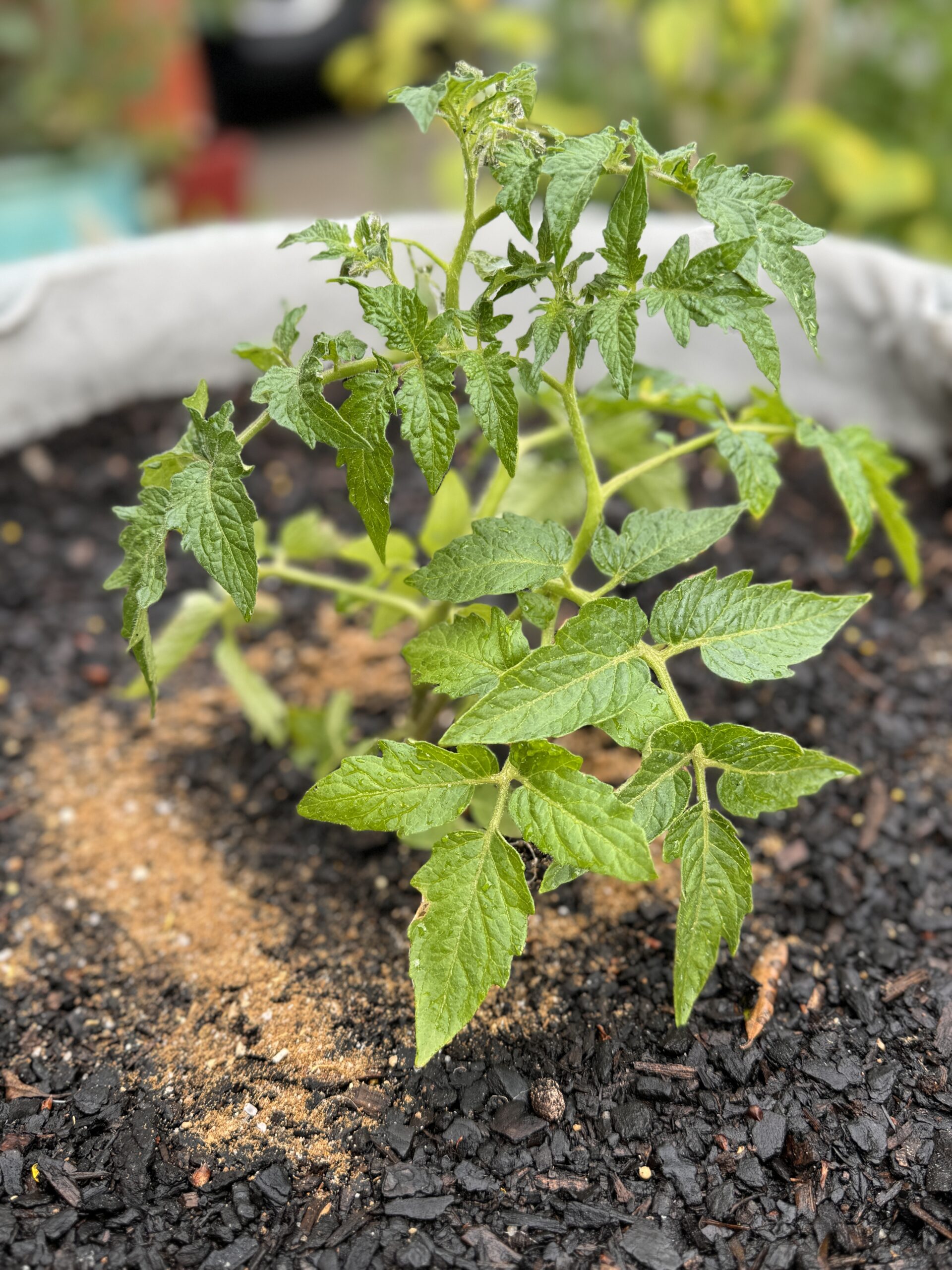
Soil preparation
Soil preparation for tomatoes is important as they are heavy feeders, requiring a lot of nutrients. To help avoid pests and diseases, practice crop rotation; never plant tomatoes or nightshade plants in the same soil each year, only every 3 years. Prepare soil 3-4 weeks before planting seedlings. Test soil pH before adding nutrients, ideal pH for tomatoes is 6.5-7. If pH is too high, follow testing kits instructions to lower with sulphur, if too high, use lime to raise it. My favourite soil preparation is to spread 50 mm of compost and 25 mm manure over the soil. Both need to be well-rotted, of an even colour and not super smelly, to avoid burning the roots of seedlings. Sprinkle a couple of handfuls per m2 of pelletised chicken manure for slow release nutrients and a light sprinkle of blood and bone. Dig all through your soil to 30-60 cm deep as tomatoes are deep rooted plants. Water in, cover with 25 mm deep straw mulch and leave for 3-4 weeks.
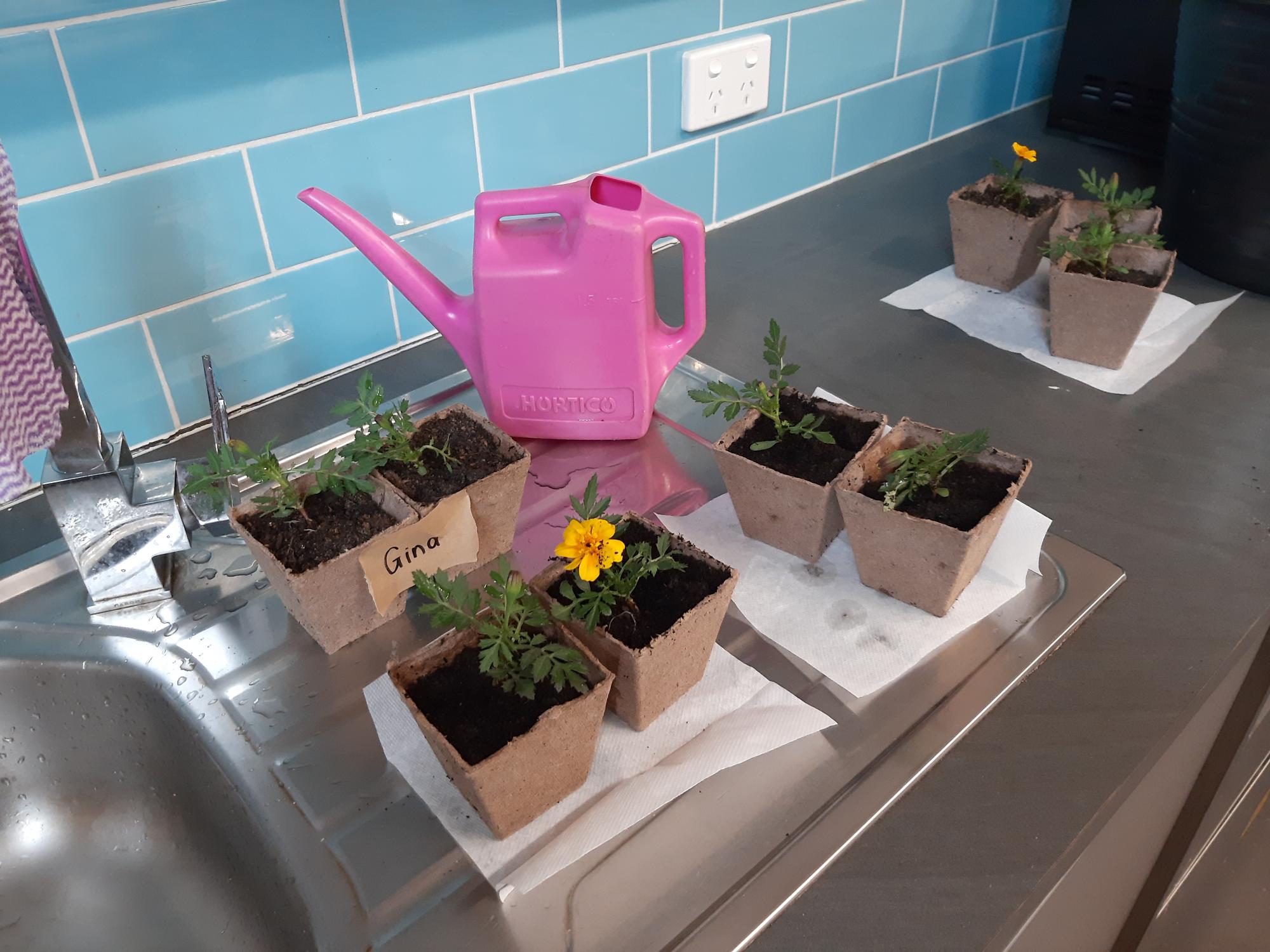
Choosing your tomatoes
To get the best out of tomato growing, its helpful to know something about the types of plants and fruits. Choosing heirloom plants means you can save the seeds for next year’s growing. There are around 500 heirloom varieties in Australia, with over 200 available for sale, many only as seeds. PLEASE DON’T ORDER OVERSEAS SEEDS ONLINE! This is illegal and risks bringing new diseases into Australia. Also, check the ‘time to fruit’ for your varieties, matching it to the growing season for your area.
There are three types of tomato plants. Choosing the right type can help manage plants better in your space. Many plants commonly grown are indeterminate, also called vining or staking, large growing plants, 1.5 m high or more, needing support. They grow a little, flower, fruit then grow some more. Lower growth yellows as the plant continues upwards. They fruit over a long period, but need pruning and training regularly, sometimes every day. Examples are Mortgage Lifter and Bumblebee Pink.
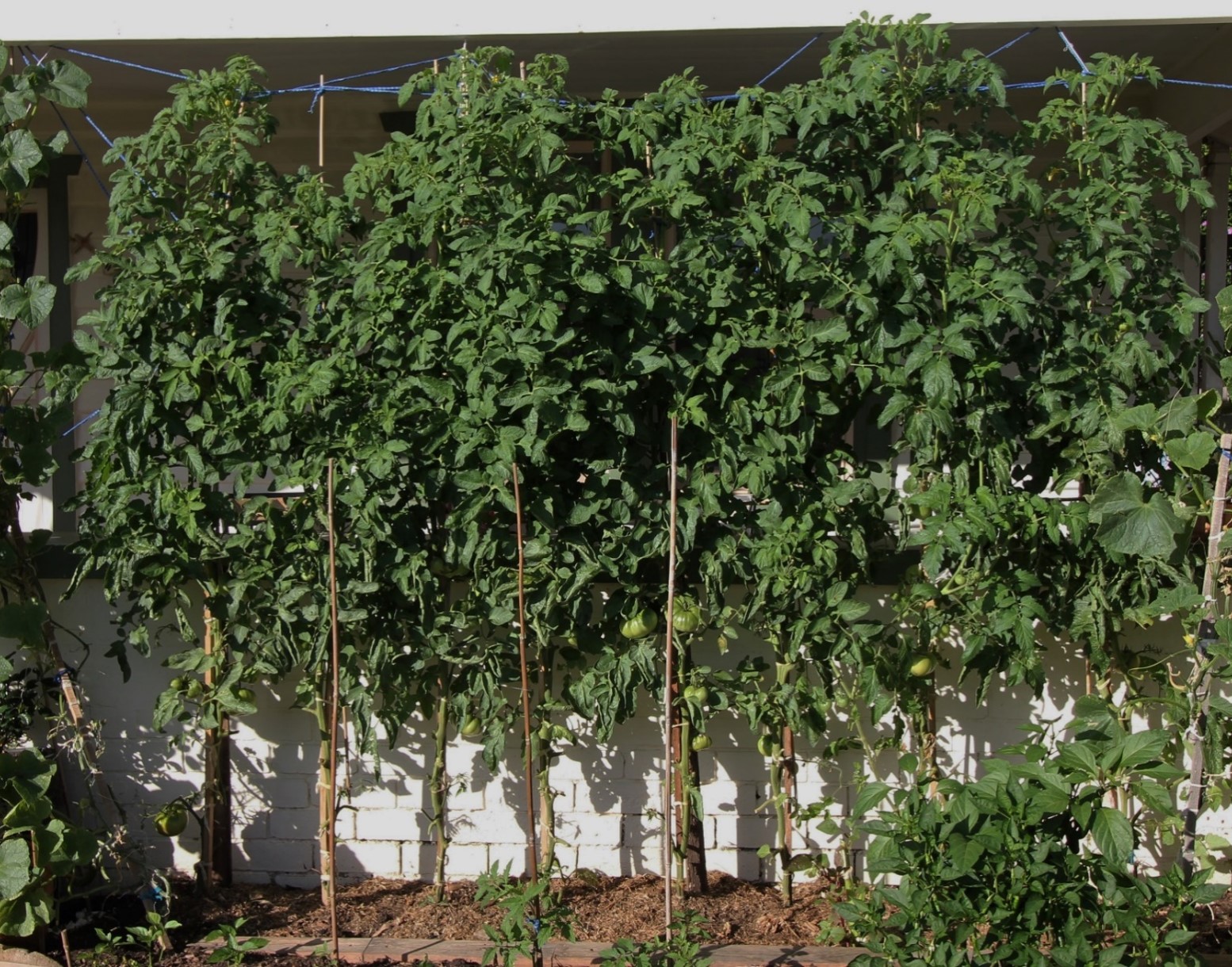
Determinate, or bush tomatoes, are smaller growing, usually quicker fruiting. They grow to their full height, then flower and set all fruit at once. Once fruits are ripened the plant is finished. They vary between 30 cm – 1 m high, great for getting early fruits in cooler climates and less work to manage. Examples are Stupice and 42 Days.
Dwarf tomatoes vary between 30 cm to 1.5 m high, usually around 1m high. They are most suited to the way we garden now, in raised beds and pots. They grow a strong, stout central stem, with 1 or 2 side shoots, easy to train and manage. In recent years, many new dwarf varieties have emerged, with vibrant colours and flavours. Examples are Kangaroo Paw Brown, Gondwana Moon and Geranium Kiss.
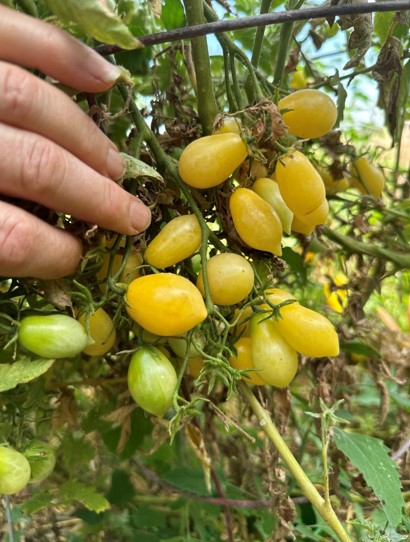
Large-fruited tomatoes have thinner skins, are often nicer to eat, usually juicy, lovely for slicing into a sandwich or salad. However thin skins makes them susceptible to fruit fly, and prone to problems like cracking or catface. Also, larger fruits need support to prevent them breaking vines. Examples are Cherokee Purple, Grosse Lisse and Brandywine.
Cherry fruits are great for kids snacking and adding to salads. Their thicker skins are not great for cooking with, but more resistant to fruit fly. The tastiest are Barry’s Crazy Cherry and Tommy Toe.
Medium-sized tomato fruits are my favourite, somewhat fruit fly resistant yet not really tough skins, and a good size for cooking. Look for Tigerella, Green Zebra and Jaune Flamme.
Growing and training
Sow seeds 8 weeks before you want to plant seedlings. When planting, you can remove the lower 1-2 sets of leaves and plant deeply, to help promote more root growth from the stem, making a stronger plant. Space plants around 1m apart for best results. Mulching with straw helps reduce weeds, also moderate soil temperatures and soil moisture levels, helping to prevent a lot of problems. Grow lots of flowering plants nearby to help attract a range of beneficial insects to help with pest control.
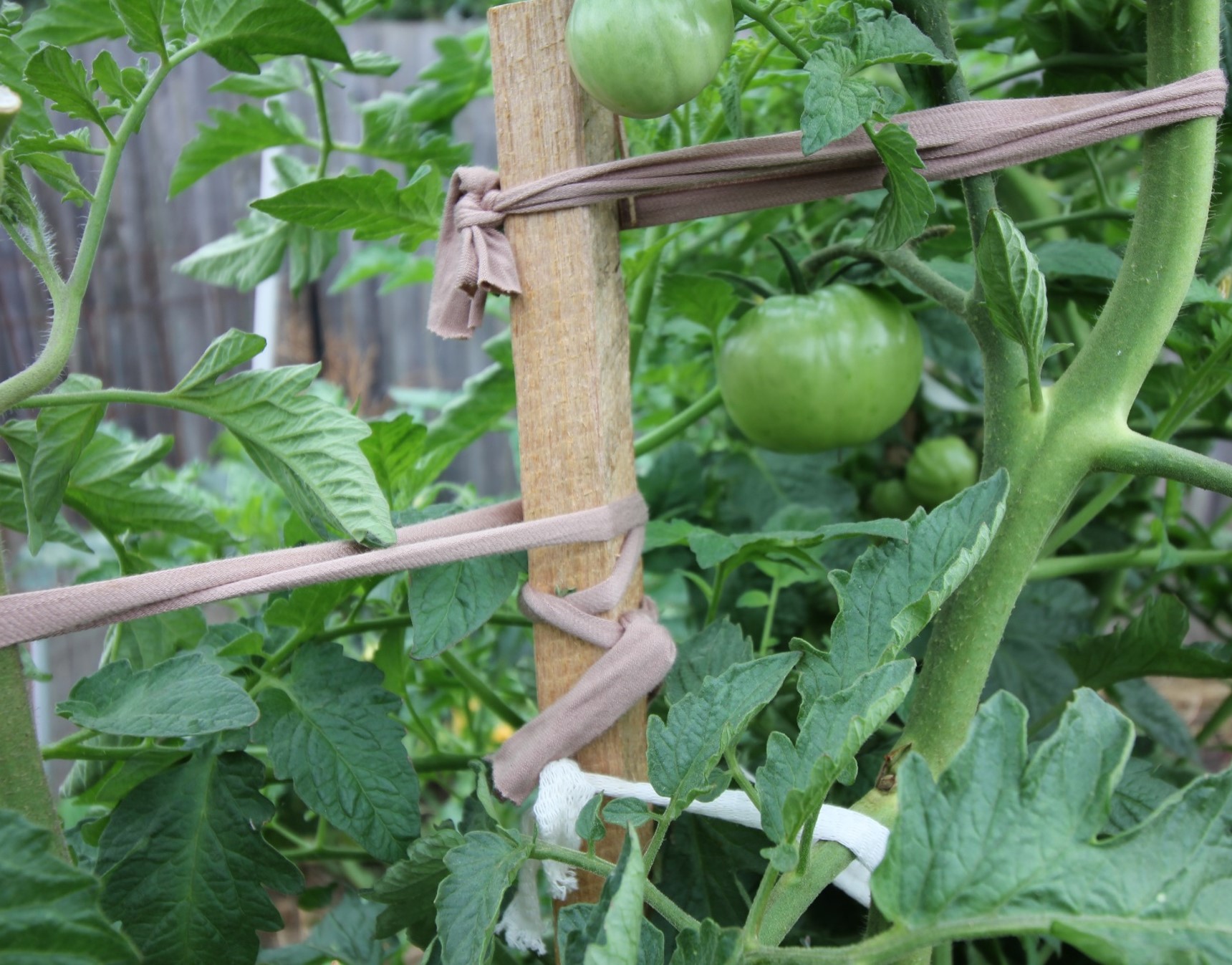
Install your training method at the time of planting. For indeterminate plants, use either strong wooden stakes to tie plants onto, or reusable metal cages where new shoots are pushed back inside the cage, which is much less work! When tying, always use soft cloth ties, to avoid cutting stems. On stakes, you can train to 1 or 3 shoots. To prevent more shoots developing, pinch out the laterals, which appear between the main stem and the leaves.
As plants grow, liquid feeding will help fruiting. A sprinkle of blood and bone or some fish emulsion are both good. Always apply to damp soil and water in well. Remove yellowing (usually lower) leaves and place into green waste or a hot compost. Water plants at the base, not on the leaves, to prevent fungal diseases. If you are in a fruit fly area, you’ll need to use a range of strategies, such as exclusion netting. Tomatoes are not pollinated by insects, but by movement spreading pollen around the plant, so covering them won’t stop fruit set. On extreme heat days, protect plants with sheets or shade-cloth. You can also pick almost ripe fruits to ripen inside to prevent them being sunburnt or cooking on the vine on hot days.
When saving seeds, pick ripe fruits, squeeze seeds into a container, add some water and leave to ferment on the kitchen bench for 2-3 days. This helps prevent diseases being passed onto the next plants you grow. Once a scum develops, clean seeds in a sieve, removing all the fruit from them. Spread to dry on paper towel and store in a cool dark airy cupboard until next year. Don’t forget to label your seeds with the variety and date! Seeds should last 4-7 years. Plant again next year or share with friends!