




Natural pest and disease management
These notes can be used in addition to the recording of the workshop – follow the link Natural pest and disease management recording
Start with the soil and a resilient design
Healthy plants fight back. Strong plants are more resistant to pest attack and can often outgrow or at least regrow. Caring for your soil is the first and most important step in natural pest management. Some general advice is to:
- Keep adding organic matter: compost, mushroom compost or worm castings, woody mulch for trees, soft mulch for vegies, chop and drop spent plants and prunings.
- Use enough water: plants need water to access soil nutrients. Most domesticated food plants do best when the root zone is maintained to feel damp.
- Check your soil pH. Most food plants need pH 6.5-7.5 to access nutrients from the soil. Garden lime or dolomite (with added magnesium) raises pH (more alkaline). Elemental sulphur lowers pH (more acid) but takes up to 6 months to adjust.
Choose plants that suit your conditions – soil, drainage, aspect, pH. For example, you could choose quince or celery for boggy spots, amaranth, olives and pomegranates for hot and dry spots, blueberries for acidic soil and silverbeet or cherry guavas for part shade. Bias your selections towards plants that grow easily in your area and are likely to survive your extremes (eg. frost, flood, bushfire, drought, heatwave) and major pests (eg. possums, fruit fly). Grow a diversity of crops from different families to reduce the risk of any one pest or disease.
Practice garden hygiene and biosecurity
Reduce the risk of accidentally bringing in new pests and diseases by inspecting plants, soil and produce before taking home. If you discover any unwanted critters, use strategies like bare-rooting plants before transplanting and freezing or cooking scraps to kill pests and eggs before composting. Growing plants from cuttings and seeds is a lower risk way to share plants. It’s a good idea to scrub your boots if you’ve been somewhere with a known soil borne pest or disease.
Practice garden hygiene by removing fallen fruit to break the lifecycle of pests (eg. carpophilus beetles, fruit fly and codling moth) – or let chooks do this for you! Spray tools regularly with methylated spirits when pruning to avoid disease transfer between plants.
Know your pests and attract their predators
It’s important to be clear about who is responsible for the damage so you can design a strategy that works. If you’re not certain, be sure to investigate at night when many pests are most active.
With close observation you’ll get to know the type of damage, bite marks, susceptible plants (and even droppings!) of common pests and by noting the time of year when a particular pest is most active you’ll be able to respond proactively in future.
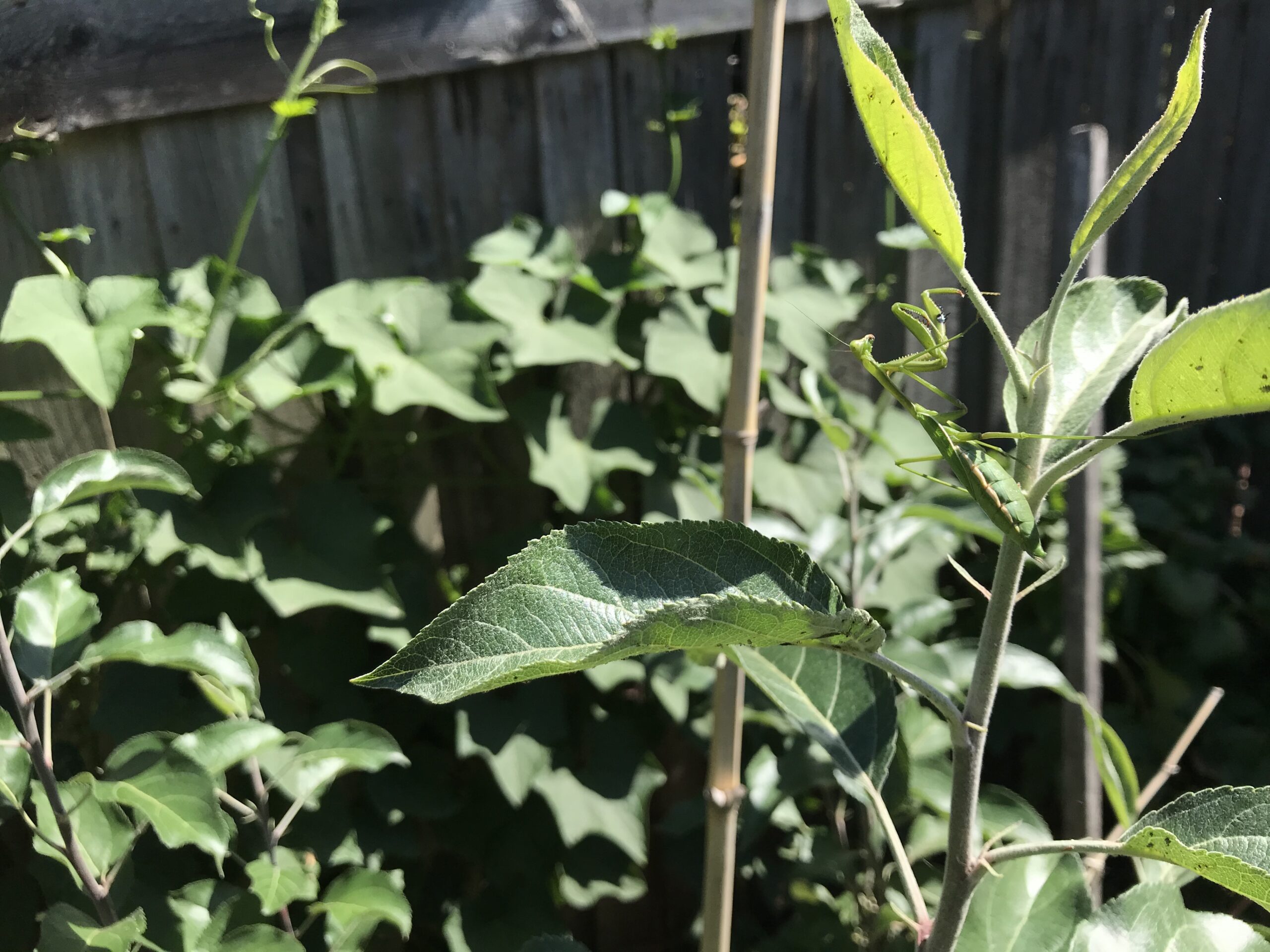
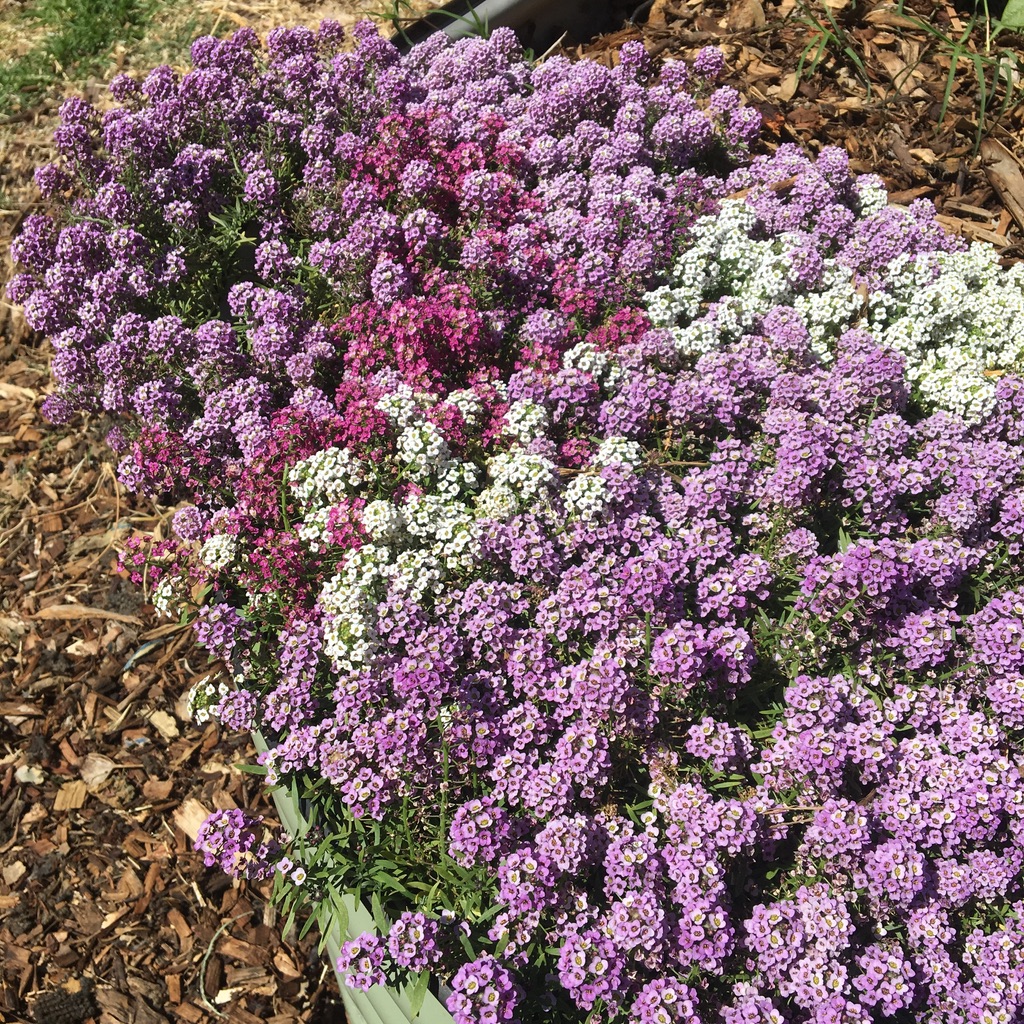
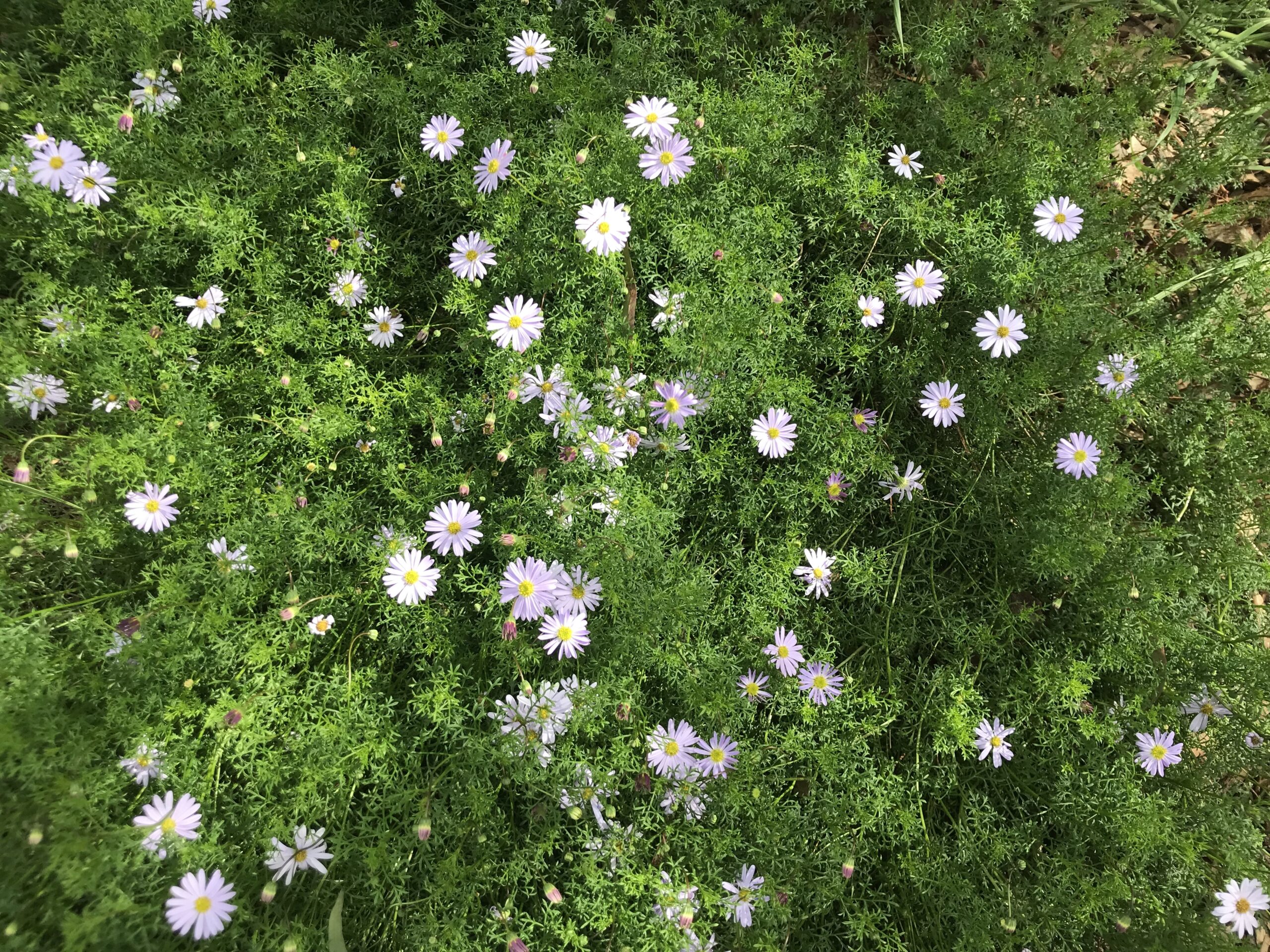
Most critters are actually helpful in the garden, and even ones we consider ‘pests’ have important roles as decomposers and pollinators. By understanding the needs of predators we can work towards a balanced ecosystem and reduce work. Useful predators of common pests include ladybirds, parasitic wasps and flies, hoverflies, praying mantids, spiders, lacewings and small insectivorous birds. To encourage predators in your garden: don’t use synthetic chemicals, grow plants that attract predators, especially small flowers like daisies (incl. calendula, brachyscome), umbrella-shaped flowers (incl. parsley, fennel and yarrow) and alyssum (a great choice for its year round flowering, compact size, edible flowers and hardiness). Also provide a water source (eg. small pond) and habitat (eg. dense prickly shrubs for insect-eating birds, rock piles for lizards).
Interventions
If a pest is causing too much damage we can choose to intervene. Keep in mind that weak plants are very susceptible and it may be too late – in that case you’re better off starting again and paying attention to good design and soil health. If you decide to take action, here are some techniques to manage common pests, but check for presence of predators first as they may already be at work and could be disrupted by interventions.
| aphids, whiteflies, scale and other sap-sucking insects | Squash by hand or blast off with a hose. Make a simple homemade white oil spray or try homemade garlic, chili and soap sprays. Natural pyrethrum (with no synthetic piperonyl butoxide added) is an effect last-resort spray but is toxic to bees. |
| caterpillars | Handpick/squash eggs. Use fine netting to exclude adult moths and butterflies, grow brassicas only during colder months when there are fewer caterpillar breeding cycles, as a last resort use Bt (soil bacteria that targets caterpillars but is safe for humans/pets/bees etc, sold commercially as Caterpillar Killer or Dipel) |
| slugs and snails | Main breeding seasons are in late winter and late summer. Start reducing populations a few weeks before this, and definitely before planting seedlings. Handpick at night after rain or watering. Check likely places esp. under rocks, clear inaccessible shelters and leave habitat or traps like upturned pots that can easily be checked. Set beer traps (though mine only catch slugs!). Encourage small birds, allow poultry access to vegie beds in between crops. Protect young seedlings using cloches. As a last resort use safe commercial iron-based baits. |
| earwigs | Trap in pieces of bamboo with open ends left lying on the ground in sheltered areas near crops, or try rolled newspaper inside a garden pot. |
| rats and mice | Remove access to food sources like compost bins, worm farms and animal food. Wire mesh (<10mm) will prevent access but it is tricky to block all holes in practice. Snap traps are RSPCA’s preferred option. Many cats (and some dogs) will hunt or at least deter rodents, but they must be contained to protect wildlife if allowed out at night. |
| Queensland fruit fly | A new and devastating pest that you are likely to discover as maggots inside otherwise good-looking fruit. Loves large soft-skinned fruits like loquat, stonefruit and feijoas but can infect most fruit, including tomatoes and capsicums. For home gardeners, insect-grade netting placed on trees early in fruit development is the most effective and practical solution. Cherry tomatoes and fruits with thicker skins are less susceptible. Poultry foraging under fruit trees will help as the larvae pupate in soil. Encourage small insectivorous birds through planting dense prickly shrubs in a quiet area. Destroy infected fruit by cooking or freezing before composting. Organic traps and baits are available to the home gardener but and are unlikely to be effective on the scale of a single property, so chat with your neighbours if they have unmanaged trees. Baits must be reapplied regularly. |
| possums | Plant fruit trees away from fence lines to discourage access. Block entry routes if possible, using smooth plastic tubes around tree trunks, floppy fence, wire cage or pingg-string electric wire. Netting is sometimes effective but they can learn to rip it when hungry. Some dogs are a deterrent. Local orchardists report water sprays on a sensor are effective. Remember that trapping possums is only legal if inside a building and they must be released within 50m of the trap site on the same property. |
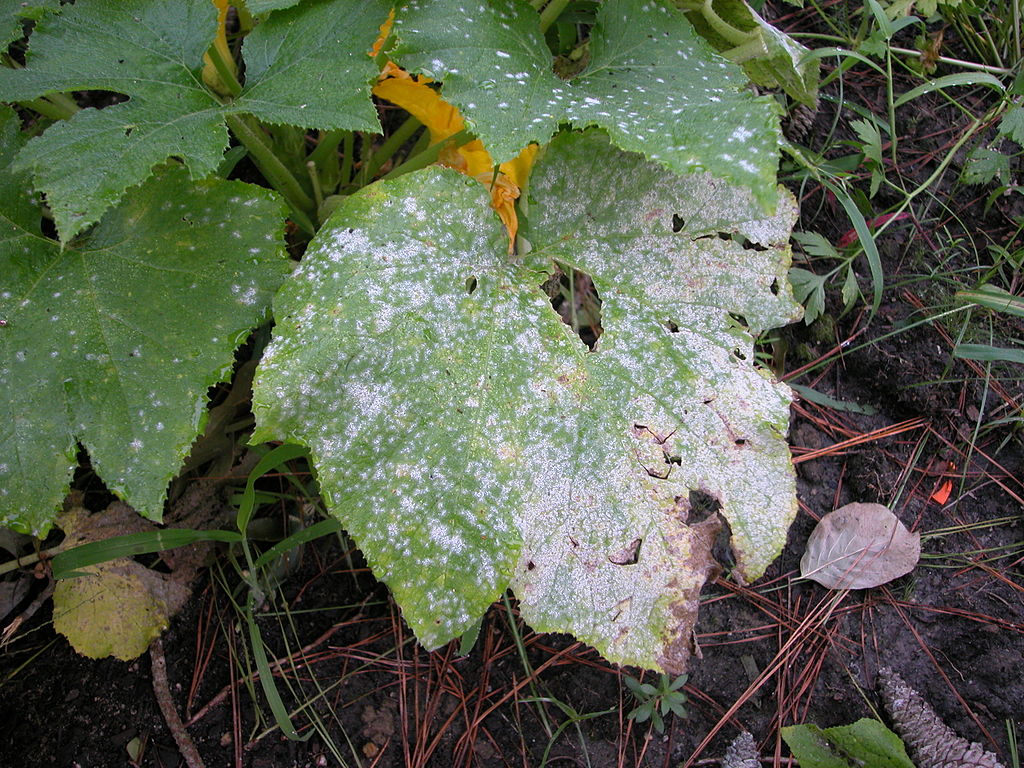
| powdery mildew | Most cucurbits succumb at end of season, so you won’t eliminate completely but can suppress if plants are otherwise healthy. Remove affected leaves and prune dense leaf cover to allow good airflow and sun. Water in morning and avoid splashing leaves to minimise humidity. Plant resistant varieties. Spray diluted milk (1:10) on sunny days at first appearance as spots on leaf. |
Acceptance
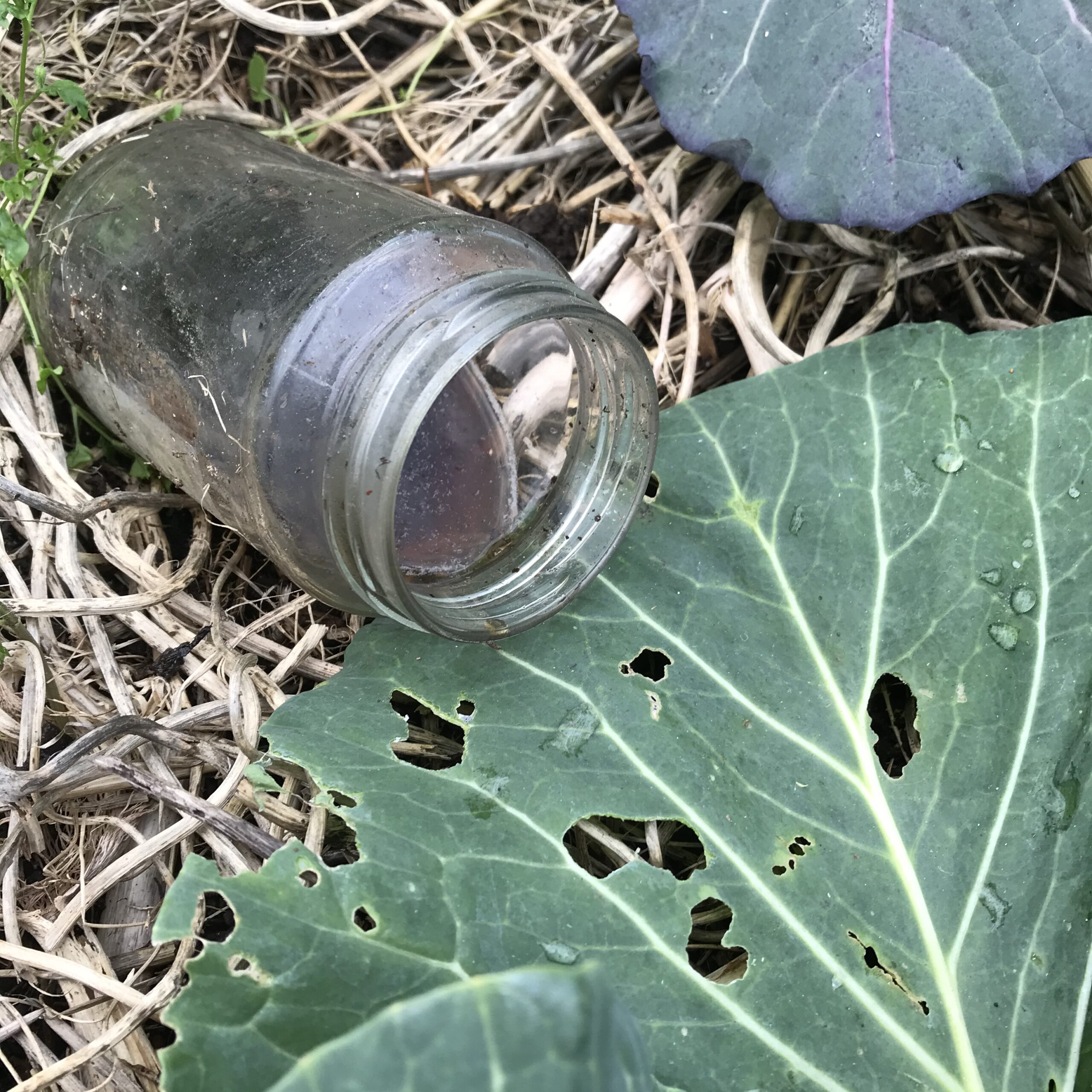
Perfect produce in supermarkets has created an expectation that our food should be free of blemishes, but a leaf with bite holes is still perfectly edible and reminds us that we’re just another part of a complex food web. Ask yourself “is it actually a problem?”. A few munched, distorted or discoloured leaves on any plant is normal. We need some pests so that predators can build up and maintain their populations, so management rather than control is our goal. So accept and expect some damage and grow a bit extra to compensate and share with our wild friends.
Resources
- What garden pest/disease is that? Every garden problem solved – Judy McMaugh
- Bug. the ultimate gardener’s guide to organic pest control – Tim Marshall
- Garden Pests, Diseases & Good Bugs: The Ultimate Illustrated Guide for Australian Gardeners – Denis Crawford
Notes provided by Kat Lavers www.katlavers.com.au