




Natural Pest Control in Home Gardens
Written by Karen Sutherland, 2025
Natural pest control focuses on creating a healthy, balanced garden ecosystem where pests are minimised through good gardening practices, encouraging biodiversity, allowing parts of your garden to be a little wild and utilising low-toxicity, chemical-free solutions. Spend time observing your garden, so you can notice when problems start, as well as getting to know the beneficial insects that are your garden guardians. Be patient, as nature often balances itself!
Cultural controls & garden hygiene
This kind of gardening helps to nip problems in the bud before they get big. Here’s some ideas.
Walk around your garden each day if possible and pick up fallen fruit and fruiting vegetables, to reduce the spread of fruit fly and codling moth. Fruits affected by fruit fly should be solarised before they can be safely composted. Solarising in this case is popping affected fruits into a plastic bag and leaving them in the sun for 48 hours.
Prune fruit trees to open their canopy, reducing pest hiding spots. Check and refresh pest traps regularly such as sticky traps for citrus gall wasp. In the vegetable garden, thin dense leaf cover and in winter, remove mulch and compost it to disrupt overwintering pests. Practicing crop rotation helps prevent pest numbers building up. Some crops benefit from growing trap crops, such as Land Cress, to attract Cabbage White Butterflies to lay their eggs on them instead of your precious brassicas. Intercropping, growing strips of different crops instead of large areas of the same plants, confuses pests and makes it harder for them to find their target plants. Randon vegetable growing rather than growing in lines or sections is my favoured method to prevent pest problems.
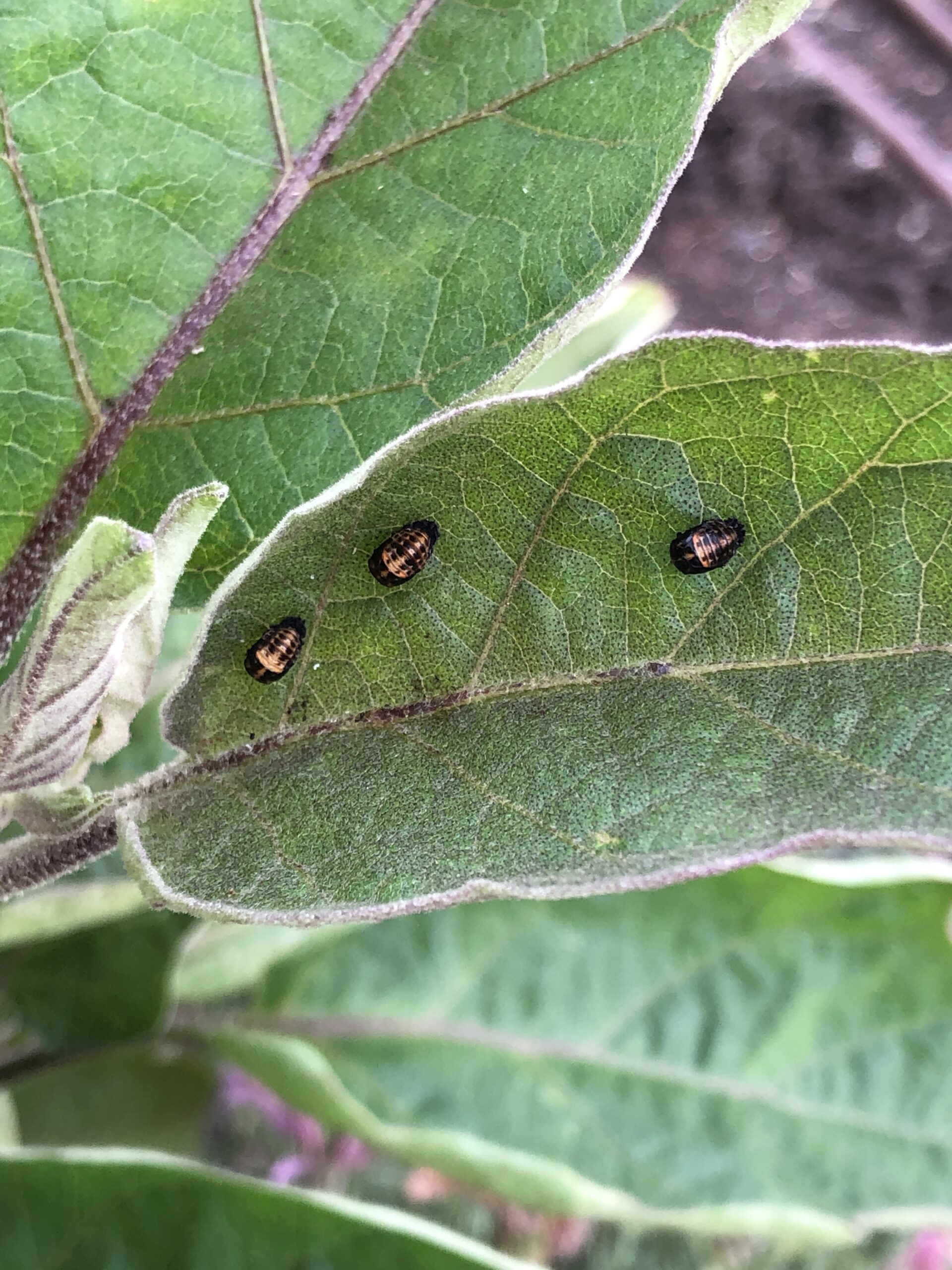
Insect identification is important
Many beneficial insects (e.g. ladybird larvae, lacewing larvae) look like pests. Correct identification prevents accidental removal of helpful species such as these. Online apps such as iNaturalist can help identify insects and their life stages, whether friends or foe!
Low-impact & organic controls are always best
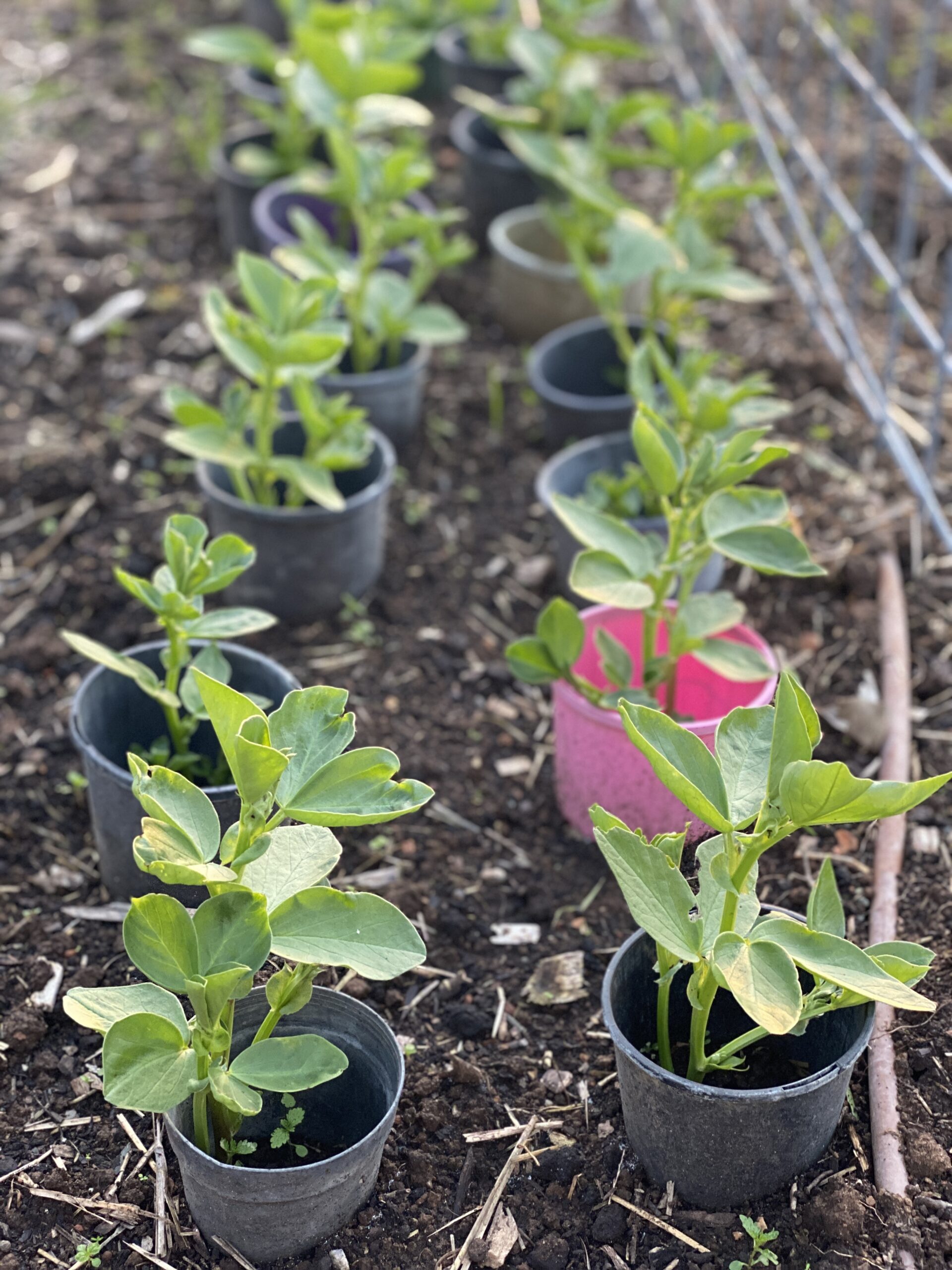
Start by observing your pests, to see whether beneficial insects move in to help in a day or so. If not, use strong jets of water to dislodge aphids, or pick off caterpillars by hand. BT (Bacillus thuringiensis) attacks only caterpillars which eat it, so can safely be applied to brassicas to control white cabbage butterfly. As a last resort, use commercial or homemade sprays of soap, garlic, eco-oil or pyrethrum, but remember all of these can also kill beneficial insects. Plastic pots with the bases cut off make wonderful reusable collars around new seedlings, protecting against snails, slugs, earwigs and other pests. Old wire baskets make good covers for young seedlings from birds or cats. Always use wild-life safe netting. Exclusion netting is a great option to control Cabbage White Butterflies as well as Fruit Flies but consider whether your crops need insect pollination and then manage when you net.
Common pests & management
Codling Moth you can collect windfalls, use cardboard banding, pheromone traps and bag fruits.
Cherry & Pear Slug can be dusted with flour or wood ash.
Citrus Gall Wasp is prevented by applying kaolin spray and yellow sticky traps and can be treated by slicing the tops off galls to expose tiny wasps or removing a branch if a gall completely surrounds it.
Fruit Fly requires strict garden hygiene, exclusion nets and either commercial or homemade bait traps.
Snails & Slugs can be dealt with by hand-picking and squashing, beer traps, eggshell or coffee barriers, copper rings on pots or raised beds or using red coloured, iron based, wildlife-safe pellets.
Two-spotted mite can be treated by hosing the undersides of affected leaves, buying in some predatory mites or using eco-oil.
Woolly aphids can be killed off by dabbing with metho on a small brush, also avoid heavy pruning which encourages this pest, and choose resistant varieties of apples.
Managing animal pests
Possums can be kept off precious plants with exclusion netting.
Cats & dogs need to be kept off new seedlings with barriers, also cover bare soil from cats.
Rats & mice need to be kept out of chicken food and compost, keep shed storage areas tidy to give them less places to hide and either use humane traps or bird-safe first-generation baits.
Attracting beneficial insects
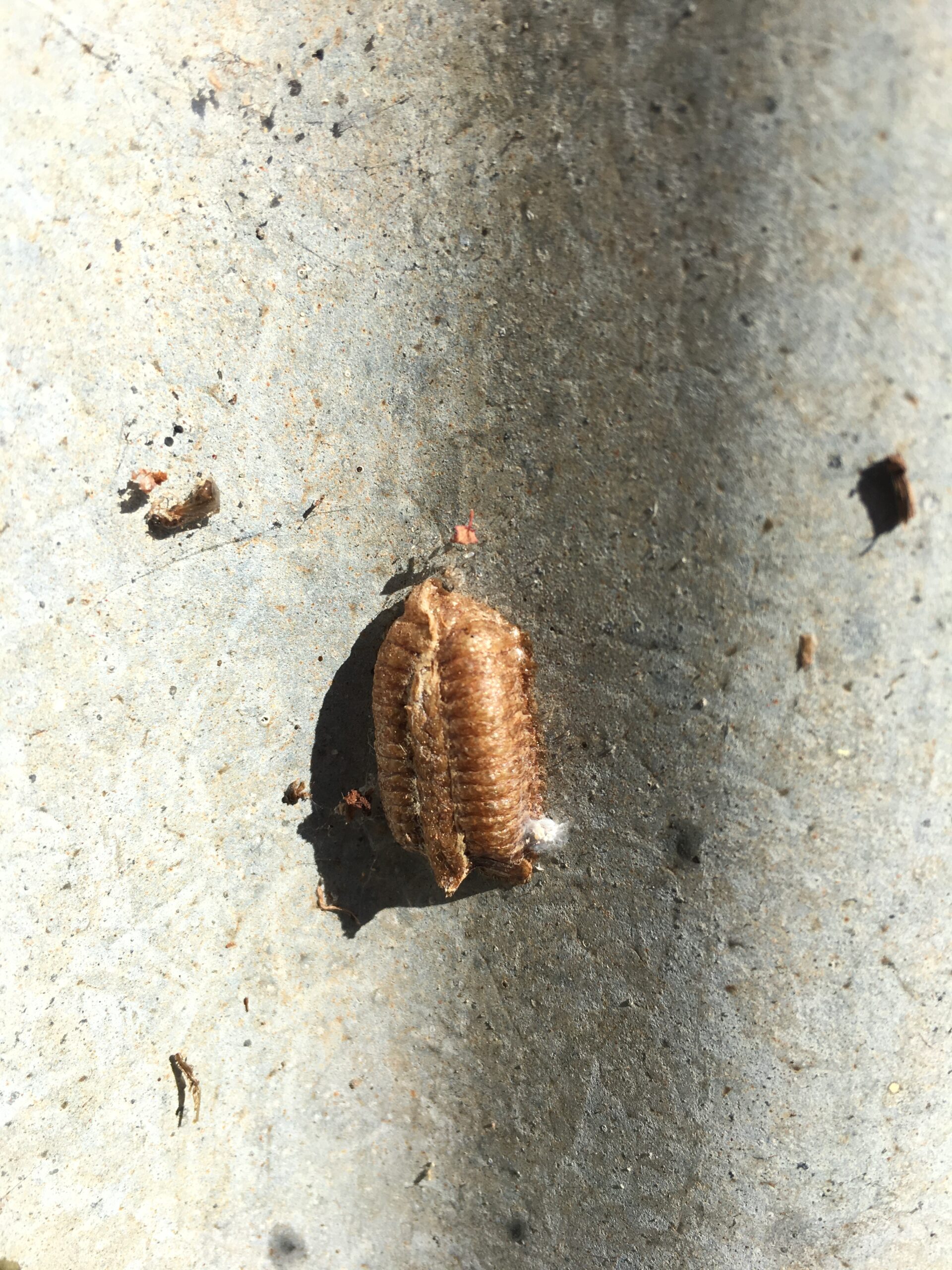
Beneficial insects include lacewings, ladybirds, hoverflies, praying mantises, blue-banded bees, and more. They provide natural pest control, pollination services and contribute to your local eco-system. To attract these garden guardians, plant a diverse range of flowers, ensuring colour all year-round. Make sure you have varying sizes and shapes. Also provide
- water
- habitat such as insect hotels
- leaf litter and some patches of bare soil for certain insects to live in and use soft lighting outdoors at night in the garden, to avoid confusing insects