




Natural Pest Control
Karen Sutherland from Edible Eden Design
Prevention and garden hygiene
Regular observation is important, because identifying and dealing with a problem early can prevent an outbreak from becoming difficult to manage.
Good garden hygiene is one of the most effective ways to prevent pest problems. Removing fallen fruit can help reduce pests such as fruit fly and codling moth, by interrupting their life cycles, while pruning fruit trees to open the canopy allows birds greater access to pest insects. Pruning and training vegetables regularly reduces dense foliage where pests hide. Seasonal maintenance is important: removing old mulch in vegetable gardens and composting it during winter can remove overwintering pests, while cutting back perennial edibles like lemon sorrel can expose hiding snails and earwigs. Diseased fallen leaves, particularly from stone fruit, should be removed and hot composted or placed in green waste.
Try intercropping, growing a different crop between rows of one crop, to avoid monoculture in the vegetable garden, thereby confusing pest insects. Or growing trap crops, plants grown to attract pests away from your precious crops, like Land Cress grown to attract Cabbage White Butterfly away from Brassicas. Scent masking is growing a highly scented plant like Passionfruit Marigold upwind from plants you want to protect, confusing pest insects. Using small amounts of wood ash on the soil around onions and beans can deter pests.
Identify before you control
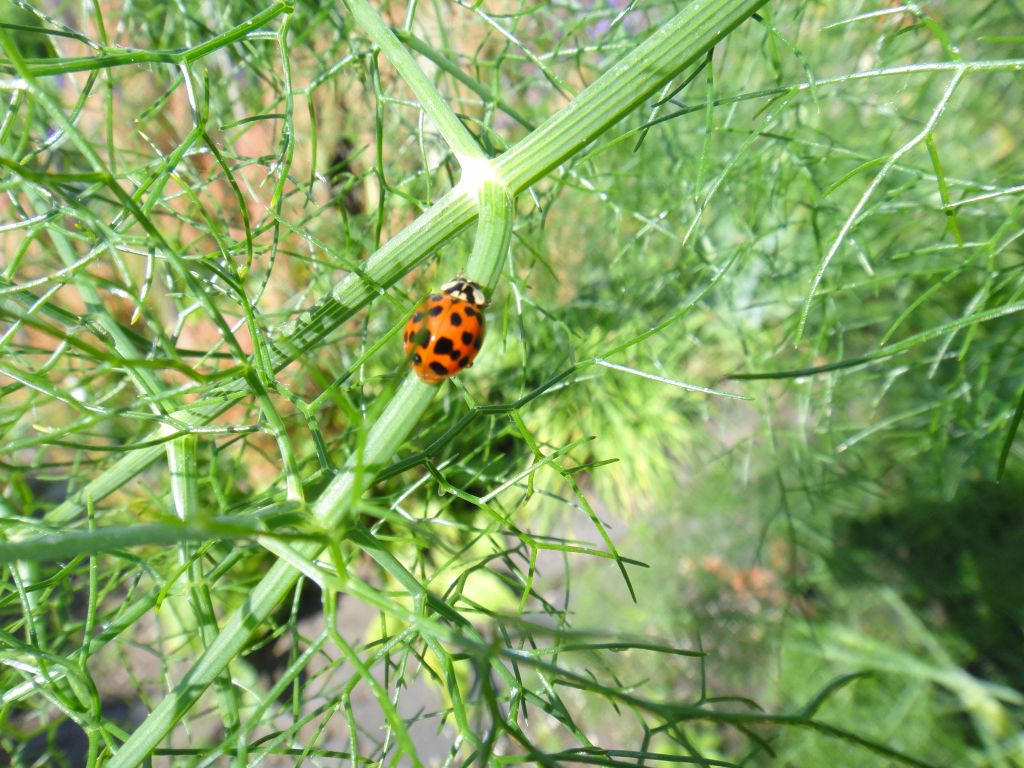
Make sure to identify insects correctly before removing or treating them. Beneficial insects are easily mistaken for pests, particularly when they are at an unfamiliar life stage. For example, ladybird larvae look different from adult ladybirds and are often destroyed by gardeners who don’t recognise them. Use online resources like iNaturalist, insect identification guides, Melbourne Museum and CSIRO to help you.
Start with the lowest-impact controls
Always start with physical or cultural methods. These include blasting pests from plants with water, using physical barriers like plastic pot collars and safe exclusion netting. Try to wait and see if any beneficial insects come to your aid! If your outbreak still isn’t controlled, use homemade soap or garlic sprays, or Eco-oil, remembering that they can both damage beneficial insects, so should be used with care. Bt, also known as Dipel and other brand names, only targets caterpillars, so is safe to use as directed on a plant where the only caterpillar is a pest, like White Cabbage Butterfly on Brassicas. A stronger option is Pyrethrum, always use as directed.
Some pests require a year-long approach, like Codling and Oriental Fruit Moths and Queensland Fruit Fly. Codling moth can be managed through fruit thinning, removing affected fruit, tree-band traps, bagging fruit, pheromone sticky traps and kaolin clay. Regularly inspect and solarise affected fruit.
Queensland Fruit Fly can be managed with a combination of traps, exclusion netting, and management relies heavily on hygiene and exclusion. Regularly look for fallen and affected fruit and solarise or freeze to kill pests.
Snails and slugs can be controlled by hand collecting, beer traps, crushed eggshell or copper barriers, or controlled with wildlife-friendly iron-based snail bait. Two-spotted mites can initially be treated by jetting the undersides of leaves with water, stronger treatment uses eco-oil or purchasing predatory mites.
Encourage beneficial insects!
Beneficial insects look after your garden for you! They pollinate food crops, prey on pest insects and form an important part of the wider food chain. Encouraging them reduces the need for human intervention and chemicals.
Grow a diverse garden with flowers of different shapes, colours and sizes, providing nectar and pollen throughout the year. Nasturtiums, English marigolds, pineapple sage, agastache, parsley, lavender, salvia and fennel all support beneficial insects.
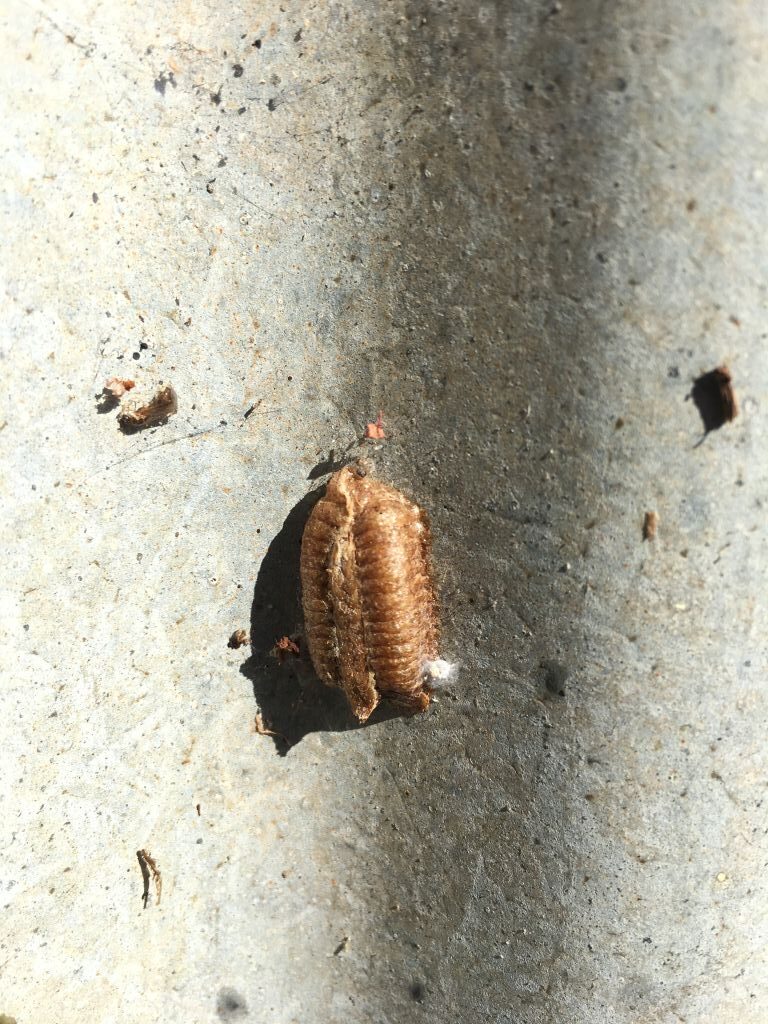
Green lacewing larvae eat aphids, mites, whitefly, scale, mealybugs and small caterpillars. Ladybirds are important aphid predators, while hoverfly larvae consume aphids, caterpillars, thrips and scale. Praying Mantises consume a wide range of insects. Native Blue-banded Bees are important pollinators, for tomatoes and many native plants.
Build a healthy habitat
Natural pest control extends beyond insects. Insect hotels, suitable nesting sites and microbat boxes can provide habitat for predators. Microbats can help control night-flying insects such as codling moth. Birds need perching places, food, safe water and shelter, frogs require suitable water bodies and pesticide-free environments. Lizards eat insects and snails and need rocks, logs, leaf litter, native grasses and safe water.
Think of your garden as a functioning ecosystem rather than a collection of plants!
Managing animal pests and protecting crops
Possums, rats, mice, cats, dogs and birds can also damage gardens. Use barriers, safe exclusion netting, and prevent rats accessing animal feed, compost or manure.
Good gardens work with nature rather than against it. Don’t use pesticides or chemicals, plant a diversity of flora, provide habitat and safe water, observe your garden regularly, and give nature a chance to respond before intervening.