




Alex’s Courtyard Garden in Stonnington
“Anything is possible in a small garden — you can use your creativity and imagination and just have a go.”
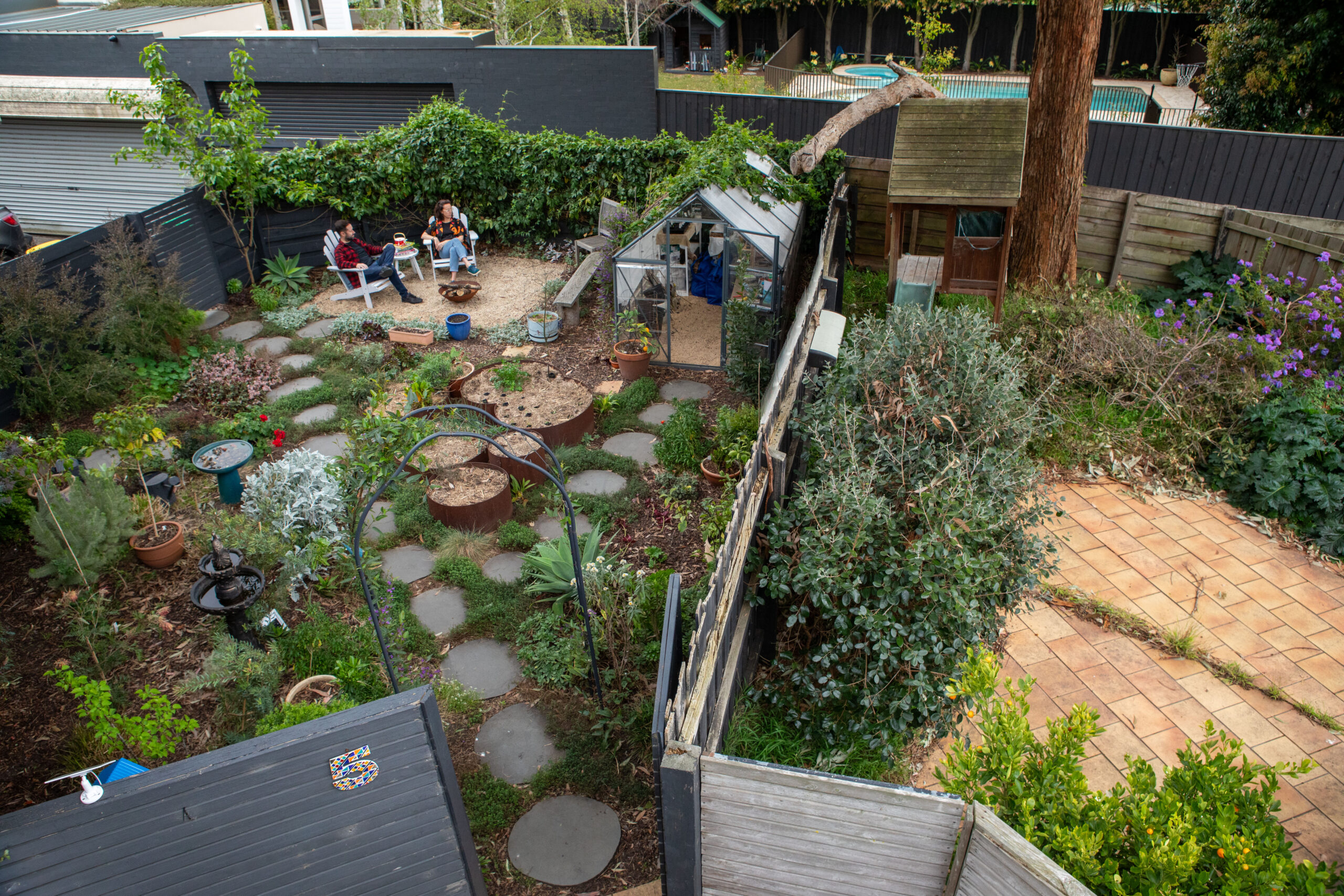
Over the past three years, we’ve transformed what was once a fully paved, uninspiring courtyard into a productive and habitat‑rich garden. I wanted a place where I could grow my own vegetables and feel connected to nature. I sketched a simple design in PowerPoint to guide the basics—circular raised beds in the sunny centre, bluestone paths, a small greenhouse in the corner, and a seating area. From there, the garden has evolved organically as I’ve experimented and learned.
Being involved with My Smart Garden and opening my garden for the tours has helped me share what I’ve learned. I really value how accessible and practical the program is, especially for people gardening in small spaces.
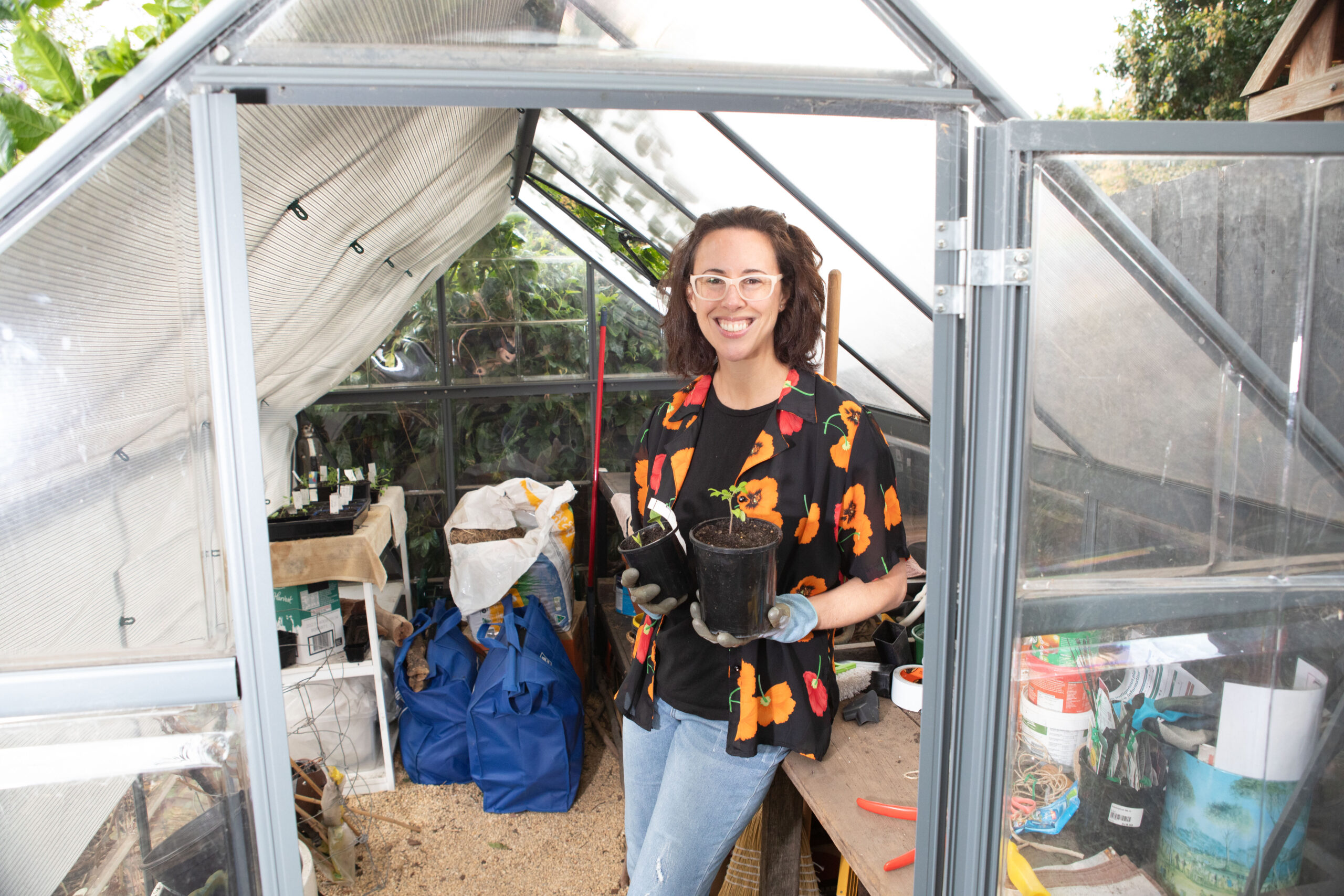
My greenhouse is essential because I love raising plants from seed. Melbourne’s cold winters make it tricky to establish young plants, so having that protected space lets me grow what I want. I really got into gardening during COVID, supported by shows like Gardening Australia and workshops from My Smart Garden.
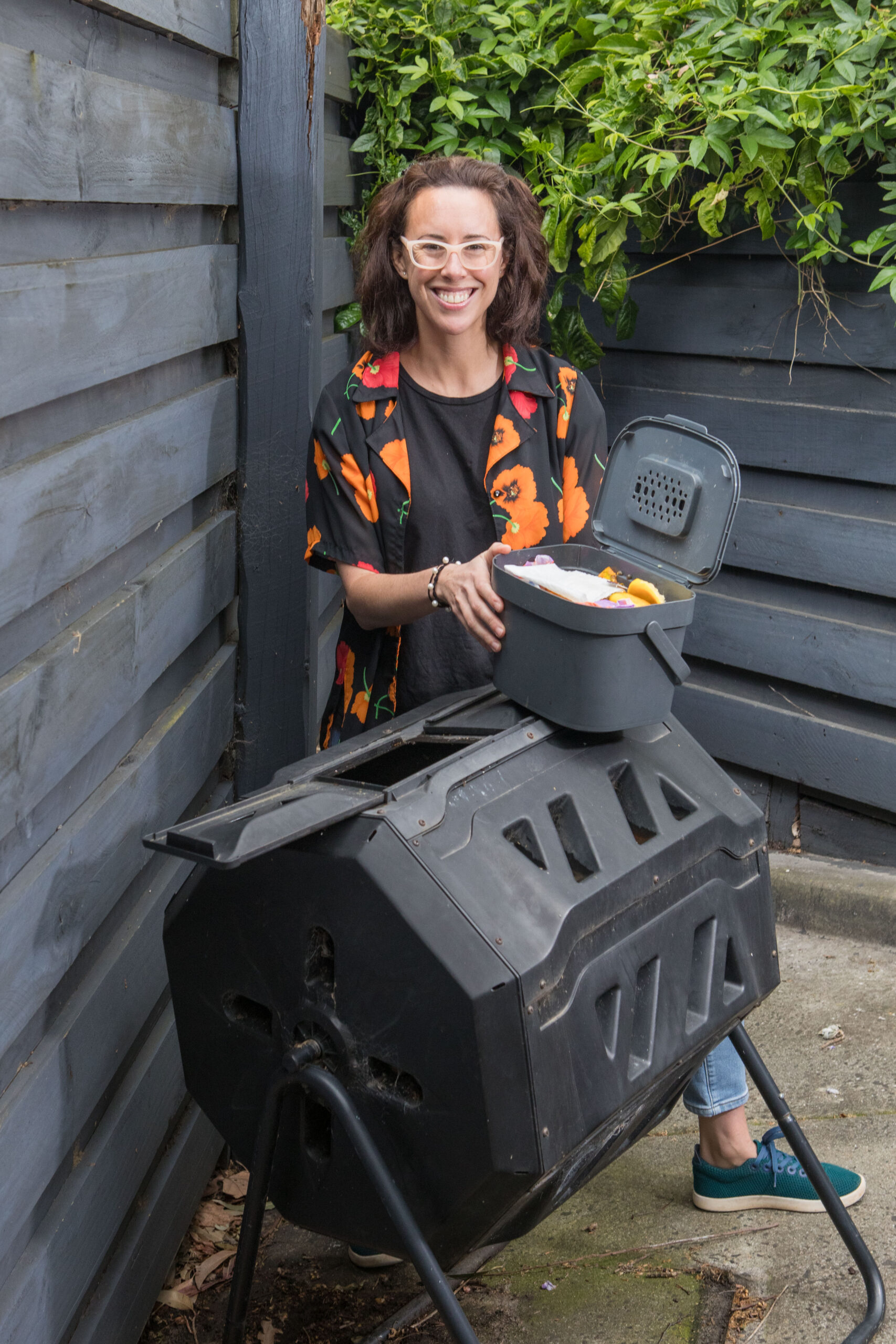
Soil health is a big focus for me. I make my own compost using a tumbler system—a method I first discovered through a My Smart Garden workshop. Each autumn I collect bags of dry leaves from the neighbourhood trees to balance the compost and store them for use throughout the year. This closed‑loop approach means less waste, healthier soil, and no need to buy bags of commercial mix.
“Composting was the game changer. I never buy soil now—everything goes back into the garden.”
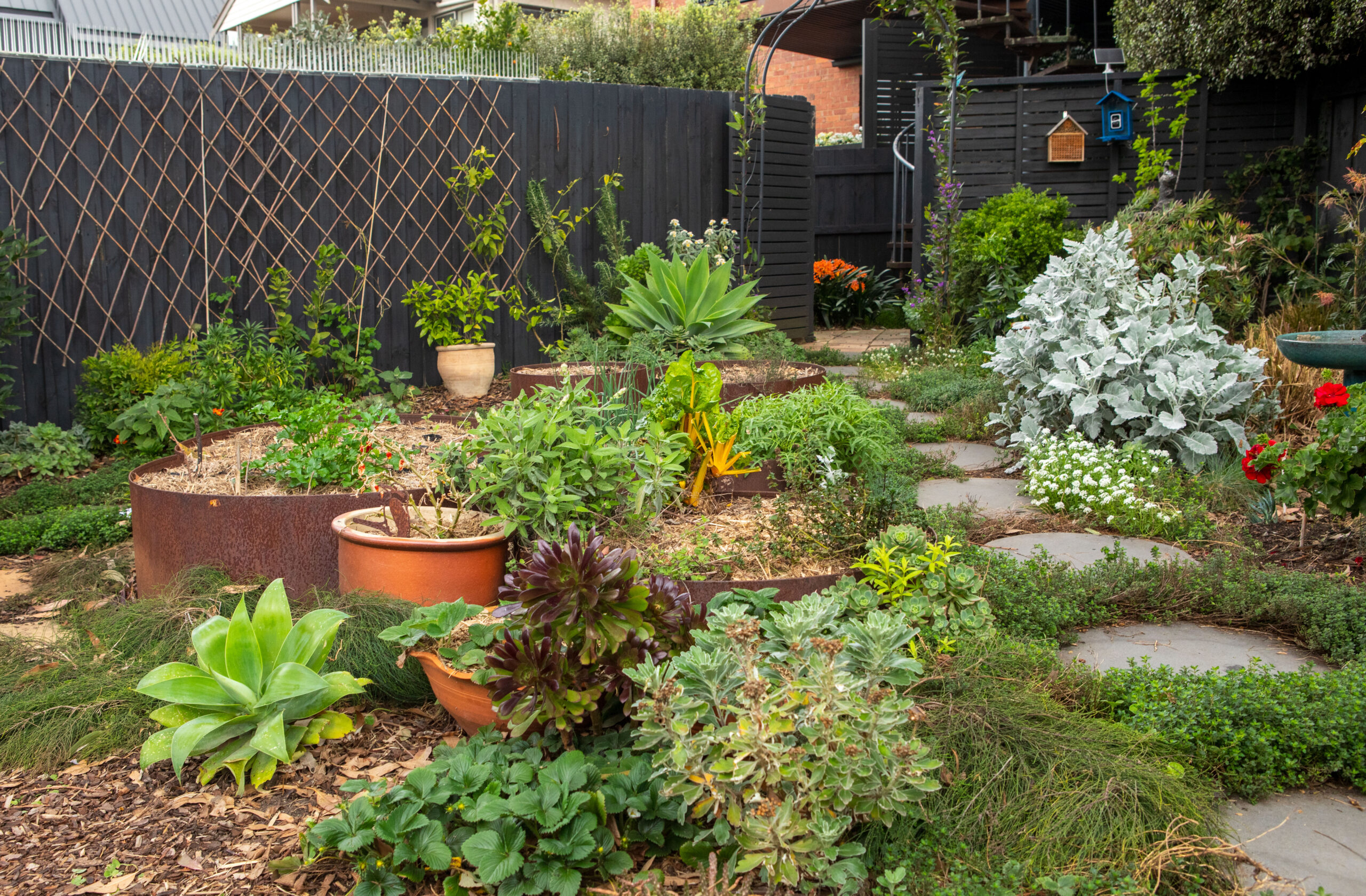
Creating a space for wildlife is just as important to me as growing food. I’ve planted bird‑attracting species, set up water baths and learned to coexist with the local possums—using fence spikes to protect my fruit trees without removing habitat. Summer heat and sun can be tough, but mulching helps, and I’m growing a mulberry tree to eventually provide more shade.
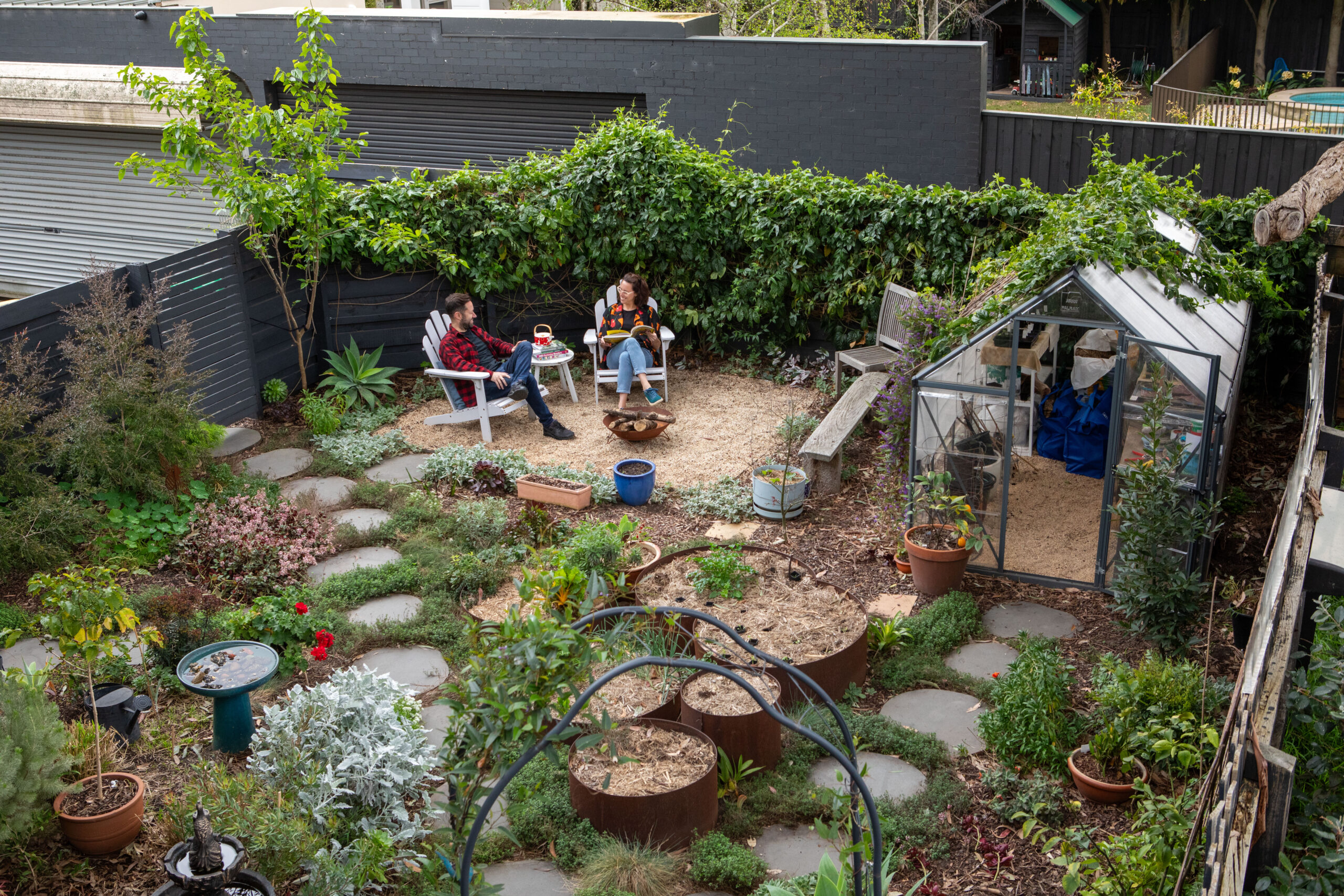
Gardening lets me experiment freely—if something doesn’t work, I simply move or replace it. Over time I’ve gained confidence and a better understanding of how the seasons and microclimates shape my space. The garden is still evolving; I want to add more height, cover the fences with plants, and add more flowering plants.